Why Driveways Turn Black in Florida
Why Your Driveway Turns Black in Florida (And Why It Happens Faster in Some Areas Than Others)
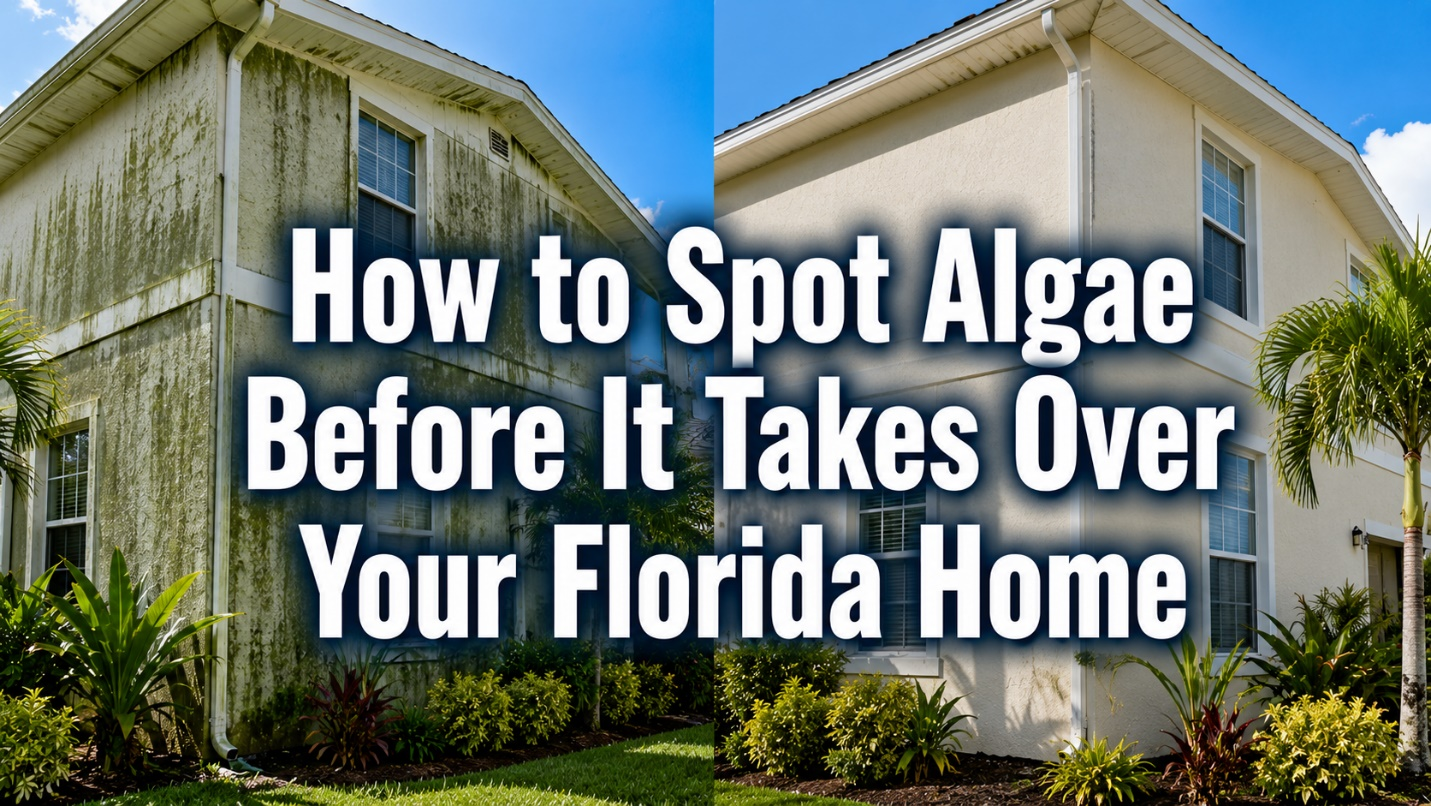
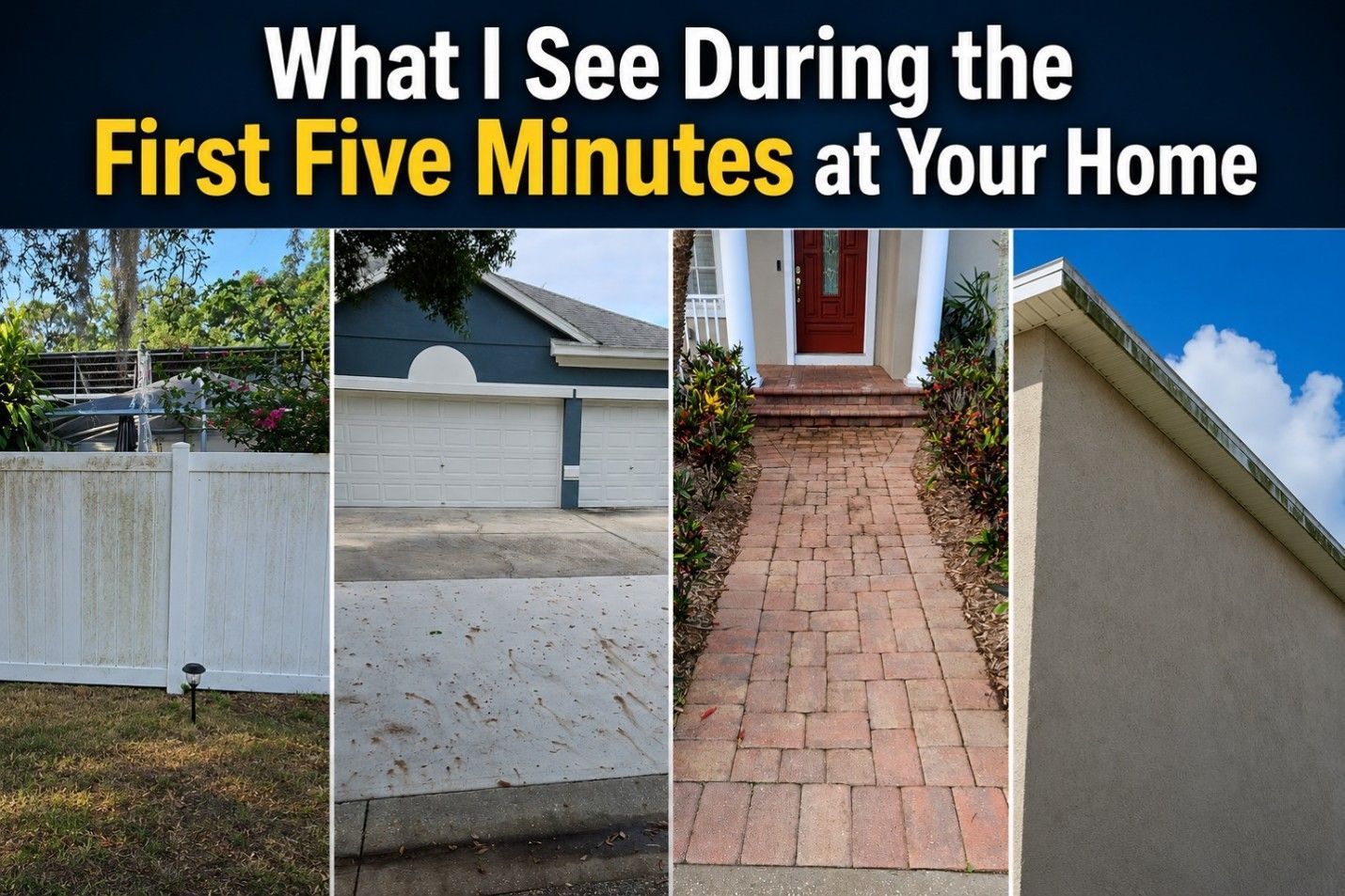
If you've lived in Florida for any length of time, you've probably noticed your driveway doesn't stay the bright gray color it was when your home was built.
Instead, it slowly becomes darker.
At first, you may not notice anything more than a slightly dull appearance. Then a few darker areas begin showing up near the garage, along the edges, or where water tends to collect. Before long, those small changes spread until your driveway looks noticeably darker than it used to.
One of the comments I hear most often after finishing a driveway is:
"I don't think I've ever seen my driveway that clean before."
The truth is, they have. The change happened so gradually that they simply forgot what clean concrete looked like.
So what causes it?
It's More Than Just Dirt
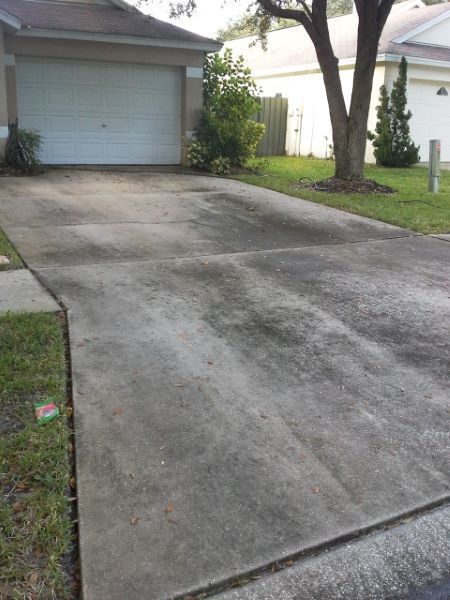
Most homeowners assume a black driveway is simply dirty.
The reality is that it's usually a combination of everyday buildup and Florida's climate working together.
Throughout the year, your driveway collects dust, pollen, leaves, tiny bits of debris, and everything else the wind carries through your neighborhood. During the dry season, much of that material simply sits on the surface.
Once Florida's warm temperatures, humidity, and summer rains return, all of that buildup creates an ideal environment for algae and mildew to begin growing.
The process is slow enough that most homeowners never notice it happening until the driveway has become much darker than they remember.
Why Some Areas Turn Black First
One thing I've learned after cleaning driveways for more than 13 years is that they almost never get dirty evenly.
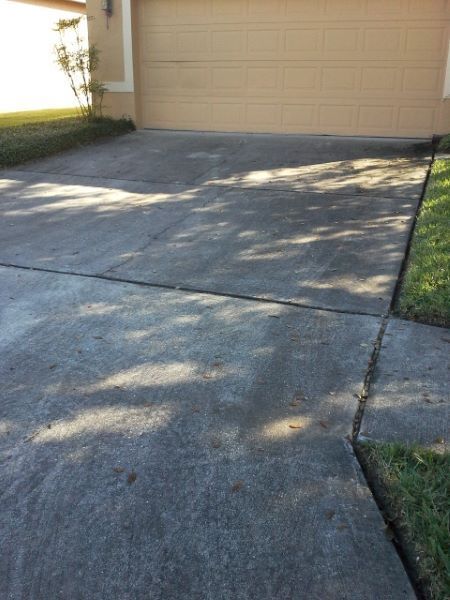
The first dark areas usually appear where moisture lingers the longest.
That often means the section closest to the garage where the roof creates shade during part of the day. Large trees can have the same effect by blocking sunlight and slowing the drying process after rain.
Roof downspouts are another common cause. Every time it rains, they send water across the same section of concrete, creating a perfect environment for algae to develop.
I've also noticed sidewalks sometimes become darker before the driveway itself because they're constantly exposed to irrigation systems that keep the concrete damp.
Every property is different, but one pattern stays remarkably consistent: Shade and moisture almost always speed up algae growth.
What Experience Has Taught Me
After cleaning thousands of driveways, I've developed a habit of studying the concrete before I even unload my equipment.
I'm looking for clues.
Where is the darkest buildup?
Which areas stay wet the longest?
Are there large trees overhead?
Do the sidewalks show signs of irrigation overspray?
Sometimes years of dirt and algae even create patterns where vehicles are regularly parked. Most homeowners never notice these details, but they often help me understand how the driveway has aged and what I may find once the surface is cleaned.
Those observations don't change how I clean the driveway, but they often explain why certain areas became dirty long before others.
Sometimes the Biggest Surprise Comes After the Cleaning
One thing I've learned over the years is that you can't always judge a driveway by how black it looks.
I've cleaned driveways that appeared hopeless, only to watch them brighten dramatically once years of algae and buildup were removed. In some cases, they ended up looking nearly as good as a neighbor's driveway that had been maintained much more regularly.
I've also uncovered surprises.
Occasionally, once the dirt is gone, hidden oil stains, rust stains, or other marks appear that couldn't be seen beforehand.
That's why I avoid making promises based solely on what I see before the cleaning begins. Every driveway has its own story, and sometimes the biggest surprises don't appear until the concrete is clean.
Why the Black Color Keeps Coming Back
Algae begins growing on the surface of the concrete.
If it's left alone long enough, it gradually settles deeper into the tiny pores of the concrete, making future cleanings more challenging than they would have been earlier.
How quickly that happens depends on your property.
Shade, nearby trees, roof runoff, irrigation, and Florida's weather all influence how quickly algae returns after a professional cleaning.
Want to know what affects how long a professionally cleaned driveway stays clean?
Read: How Long Does Driveway Pressure Washing Last?
Take a Look at Your Own Driveway
The next time you walk outside, take a closer look.
Is the darkest area near the garage?
Do your roof downspouts leave darker paths after a heavy rain?
Are the sidewalks darker than the driveway because of sprinkler overspray?
Do shaded areas stay damp long after everything else has dried?
Once you start noticing these patterns, you'll begin seeing the same clues I look for every day.
The Good News
The good news is that most black driveways can be restored far more than homeowners expect.
In many cases, what looks like permanent discoloration is actually years of algae, mildew, dirt, pollen, and everyday buildup that has slowly accumulated on the surface.
Using the right equipment, proper cleaning solutions, and professional techniques can often restore the bright, clean appearance that homeowners forgot their driveway ever had.
Continue Learning
Curious why professionals get better driveway cleaning results than DIY equipment?
Wondering how long a professionally cleaned driveway usually stays clean?
Not sure when it's the right time to schedule a cleaning?
Share: