Why One House Always Stands Out in Every Neighborhood

Why One House Always Stands Out in Every Neighborhood
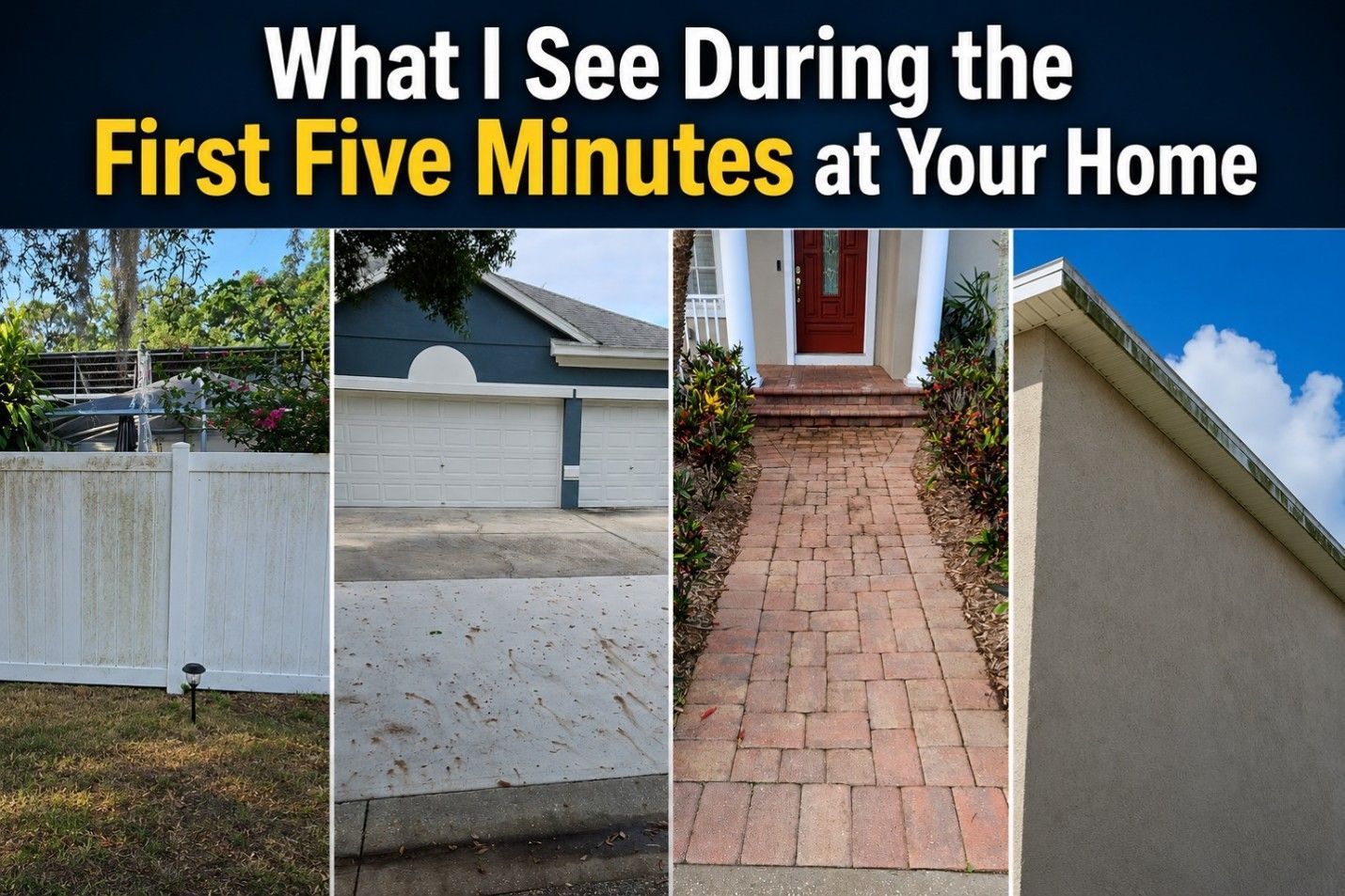
After more than 13 years of pressure washing homes throughout Riverview, Brandon, Valrico, Lithia, Apollo Beach, and the surrounding Tampa Bay area, something happens every time I drive through a neighborhood.
I can't help myself.
Five or six clean homes will go by, and then suddenly one house catches my eye.
Not because it's bigger.
Not because it has beautiful landscaping.
Not because it's painted a bright color.
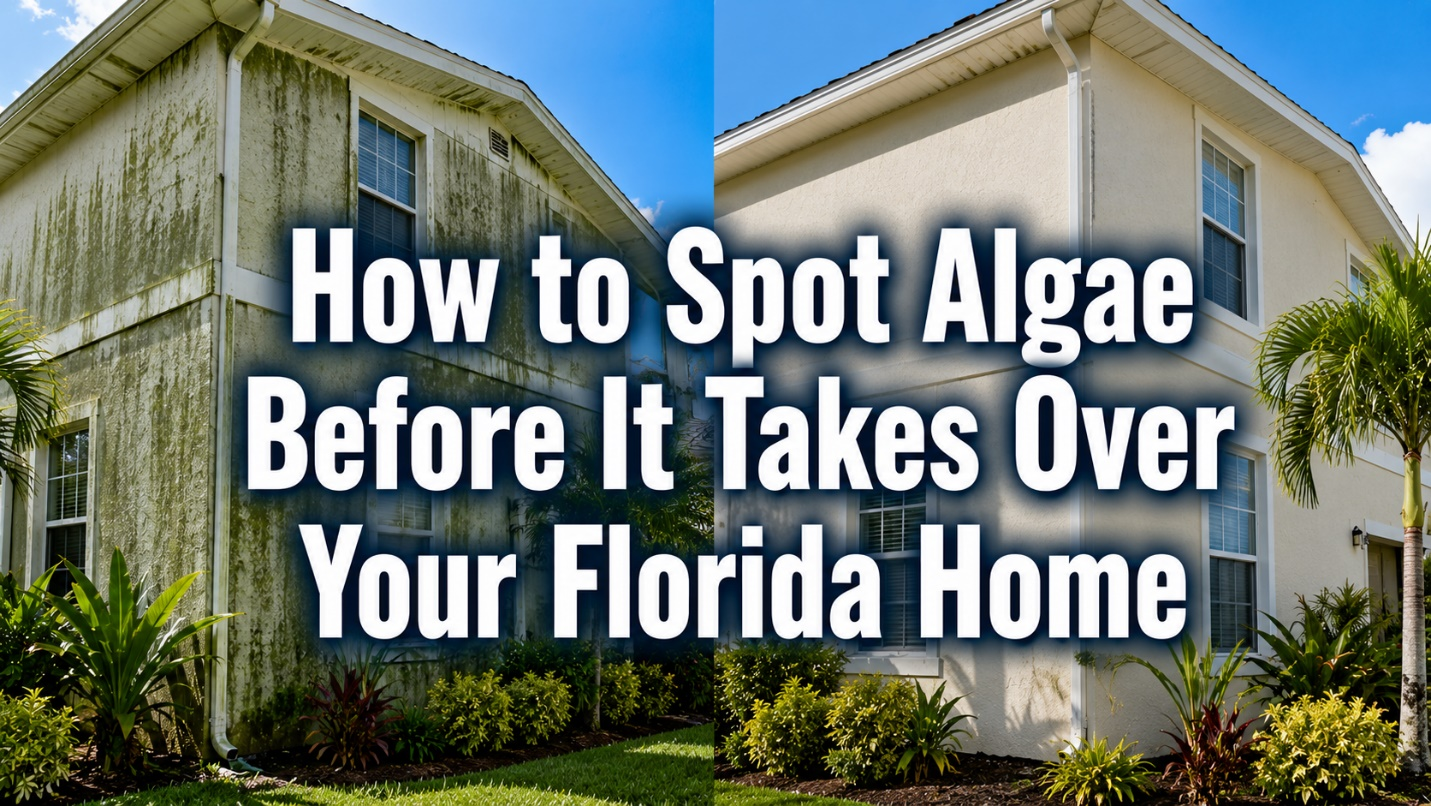
It's because I notice the algae.
Most people probably drive right past without giving it a second thought. My eyes immediately go to the green staining on the siding, the dark streaks along the fascia, or the driveway that's beginning to turn black.
It's become second nature.
Every profession changes the way you see the world. A mechanic hears an engine differently than everyone else. A roofer notices shingles most people never look at. An arborist can spot an unhealthy tree while driving down the road.
For me, it's exterior cleaning.
Once you've spent years washing homes, you begin noticing patterns that most homeowners never realize are there.
Over time, those patterns have taught me something interesting.
Two nearly identical homes can sit right next to each other, yet one will look noticeably dirtier months before the other.
Most people assume it's because one homeowner takes better care of their property.
Sometimes that's true.
But more often than not, there are other factors at work.
The North Side Almost Always Tells the Story
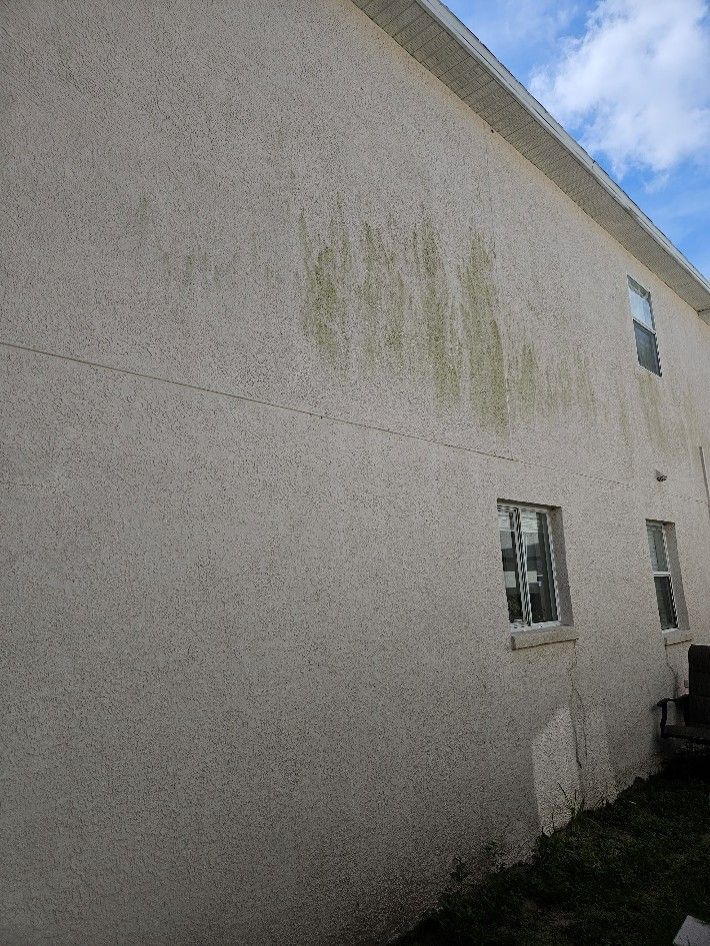
If I pull into a neighborhood to look at a home I've never cleaned before, I already have a pretty good idea where I'm going to find the heaviest algae growth.
The north-facing side of the house.
It isn't a guarantee, but after cleaning thousands of homes, I'm right far more often than I'm wrong.
The reason is surprisingly simple.
Algae loves moisture, and the north side of a home usually receives less direct sunlight throughout the day. That means the surface stays damp longer after rain, morning dew, or even Florida's humid nights.
Those extra hours of moisture create an environment where algae can thrive.
Once homeowners understand that, something clicks.
It's one of those moments where they say, "That actually makes perfect sense. I never thought about which direction my house faces."
Now they know exactly where to keep an eye out.
Many of my long-time customers do just that.
Instead of waiting until the entire house looks dirty, they notice the first hints of green on the north wall and give me a call.
That changes everything.
Rather than removing years of heavy algae buildup, I'm often washing away dust, pollen, and the small amount of organic growth that's just beginning to develop.
Not only does the home stay looking better year-round, but the cleaning itself is usually easier because the algae never has a chance to fully establish itself.
That's one reason many of my customers choose annual
House Washing instead of waiting until the entire home looks dirty. Regular maintenance helps preserve the appearance of the paint while preventing the heavy buildup that takes much longer to remove.
The Back of the Neighborhood Often Looks Different Than the Front
There's another pattern I've noticed over the years.
Sometimes I'm driving down a main road that runs behind a neighborhood, and I can see the rear of dozens of homes.
The difference can be surprising.
The front of many of those same houses probably looks perfectly acceptable from the street.
But the back?
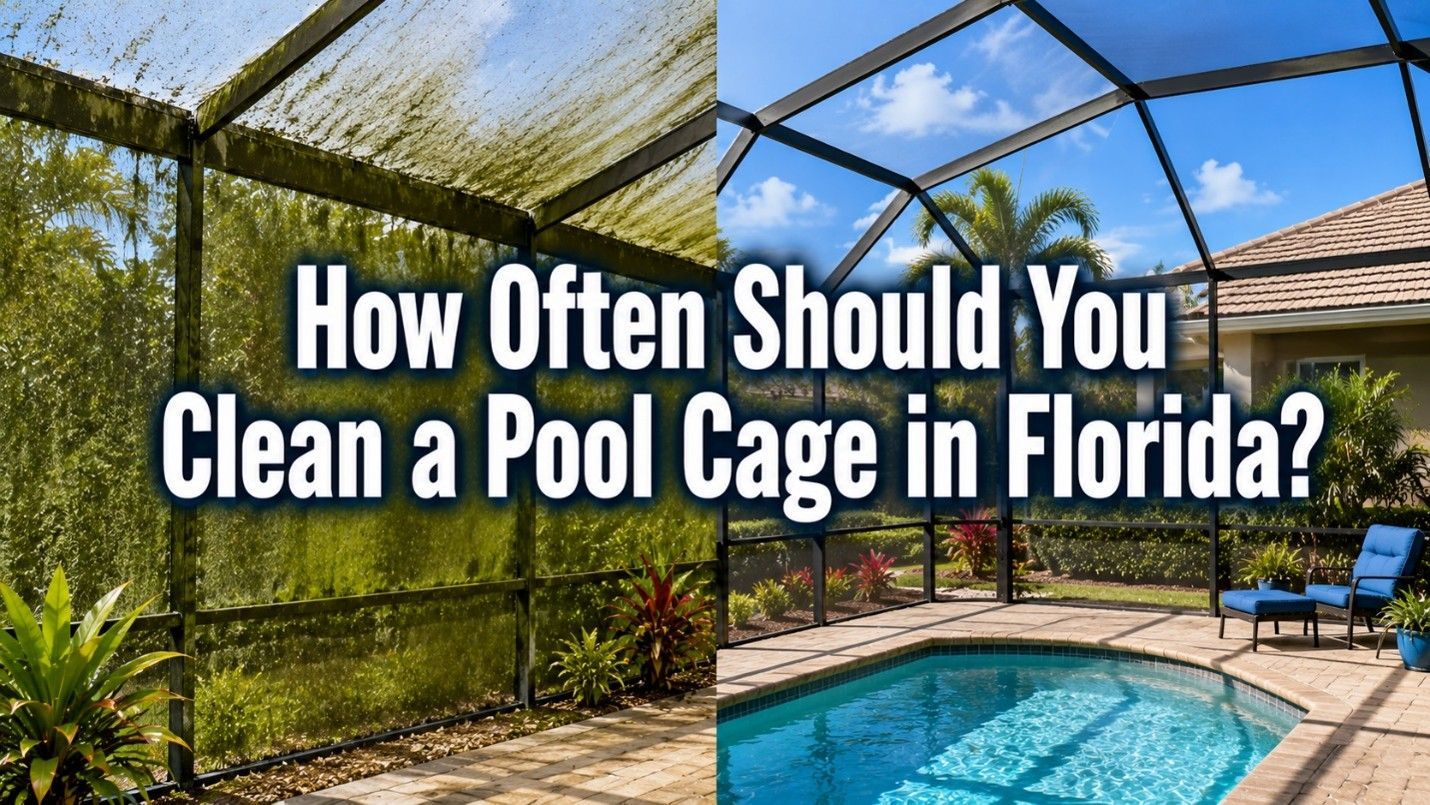
That's often where you'll find algae-covered siding, dirty pool cages, stained lanais, and years of organic growth.
This tends to stand out in some of the older neighborhoods around Brandon and Valrico where landscaping has matured and homeowners have lived there for many years.
It's not because anyone is trying to hide it.
It's simply human nature.
We spend most of our time looking at the front of our homes because that's what we see every day when we leave for work or pull into the driveway.
The back of the house is different.
Unless you're outside regularly, algae can slowly spread without anyone noticing until it's become much more obvious.
I've had plenty of homeowners tell me they had no idea how dirty the back of their home had become until they walked outside while I was cleaning.
Roof Runoff Leaves Clues
Another thing my eyes naturally look for is how water moves around a home.
If a house doesn't have gutters, roof runoff often lands in the exact same place every time it rains.
Over the years, that constant moisture creates ideal conditions for algae.
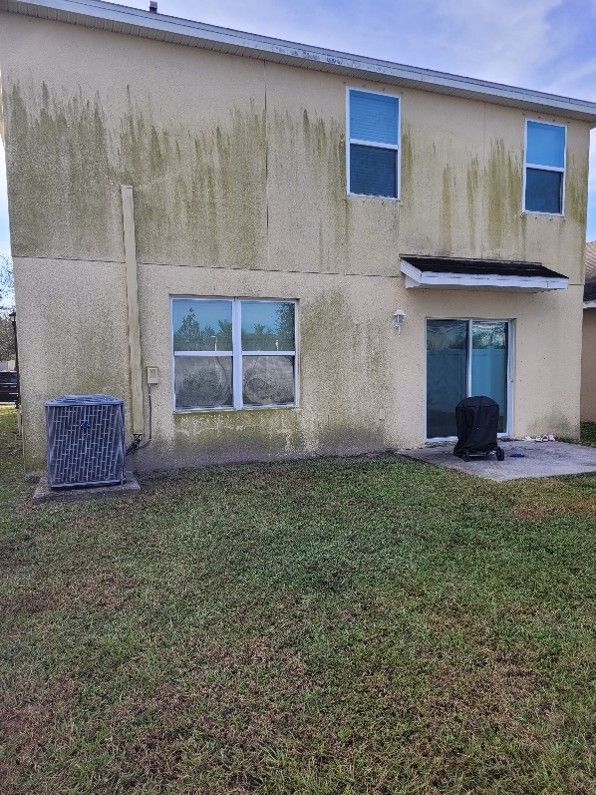
One area homeowners rarely notice is the bottom foot or so of an exterior wall directly beneath the roofline.
Rainwater falls from the roof, splashes against the ground, and keeps that lower section of the wall damp much longer than the surrounding areas.
Eventually, algae finds it.
Even homes with gutters can develop similar problems if downspouts empty directly onto the driveway.
Those areas stay wetter longer, especially during Florida's rainy season.
If you've ever wondered why one section of your driveway seems darker than the rest, take a look at where your downspouts discharge.
The answer is often right there.
Our
Driveway Pressure Washing service frequently restores these areas, but understanding why they become stained in the first place helps homeowners recognize the problem before it spreads across the entire driveway.
The Second Story Usually Gets Dirty First
Here's an observation I don't think I've ever seen explained anywhere else.
I simply know what I've seen after cleaning homes year after year.
For whatever reason, second-story walls often develop algae faster than the first floor.
It's especially noticeable during Florida's humid summer months and throughout the rainy season.
My personal theory is that moisture tends to linger higher above the ground during those humid mornings, creating conditions that algae loves on upper walls.
Whether that's exactly what's happening or not, I can't say with certainty.
What I can say is this:
I've noticed it hundreds of times.
Many homeowners don't realize the second story is beginning to turn green because they rarely see it from ground level.
I'll often point it out during an estimate, and once they look up, they can't unsee it.
It's another reminder that exterior cleaning isn't always about removing obvious stains.
Sometimes it's about catching problems early, before they become impossible to ignore.
Some Driveways Tell Me They've Been Cleaned Before I Even Park
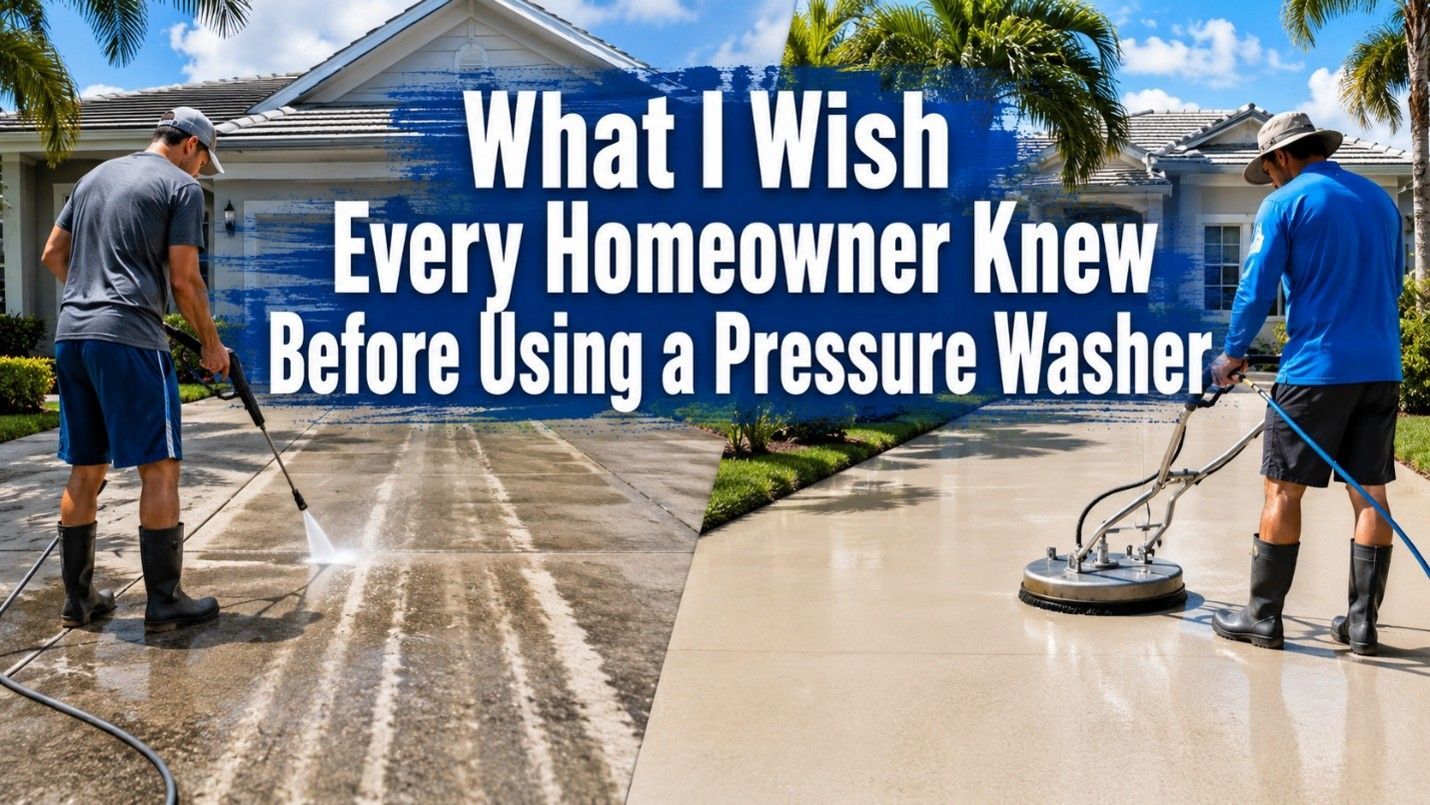
Another thing that catches my attention is a driveway with obvious tiger stripes.
As I get closer to a house, those uneven cleaning lines become hard to miss. They usually tell me the homeowner rented or purchased a pressure washer and cleaned the driveway themselves.
There's nothing wrong with tackling projects around your own home. I admire homeowners who enjoy taking care of their property.
But after years of doing this, I've noticed something interesting.
As soon as I spot tiger stripes, my eyes immediately move up to the front of the house.
More often than not, I find algae growing along the upper walls, dirty fascia, or both.
Why?
Because most homeowners focus on the surfaces they can easily reach. The driveway gets cleaned because it's right in front of them. The second story and fascia are much harder to access safely, so they often get postponed.
It's one of the reasons I wrote
What I Wish Every Homeowner Knew Before Using a Pressure Washer. Pressure washers are great tools, but knowing where to use them—and where not to—is just as important as owning one.
Sometimes It's Not Time to Paint
One of my favorite moments happens after a house has been washed.
A homeowner steps outside, looks at the siding, and says something like:
"I can't believe how good the paint looks."
Before the cleaning, many people are convinced their home needs to be repainted.
In reality, the paint wasn't worn out.
It was hidden beneath years of algae, mildew, pollen, and dirt.
That's not true in every situation, of course. Paint eventually fades, chalks, and reaches the end of its life.
But I've seen plenty of homes where a professional house wash completely changed the owner's opinion about repainting.
Cleaning first gives you a much better idea of the true condition of your home's exterior before making a much larger investment.
Some Things You Can Change...and Some You Can't
People often ask what they can do to keep their home cleaner longer.
Some things absolutely help.
Trimming back landscaping improves airflow.
Keeping shrubs away from exterior walls reduces trapped moisture.
Making sure gutters and downspouts direct water away from the home prevents constantly wet areas.
Even something as simple as rinsing pollen and dust off your home on a regular schedule can slow down algae growth because those organic materials become food for future growth.
Other things, however, are simply part of living in Florida.
You can't change which direction your house faces.
You can't stop humidity.
You can't control morning dew or the afternoon rainstorms that arrive every summer.
Understanding the difference helps homeowners focus on the things they can control instead of worrying about the things they can't.
If you've noticed algae appearing in the same areas year after year, there's usually a reason. Our article
Your Landscaping Might Be Making Your Home Dirtier explores another common cause that many homeowners overlook.
The Homeowners Who Stay Ahead of the Problem
Over the years, I've noticed two very different approaches to exterior cleaning.
Some homeowners don't think about it until they receive a letter from their HOA or until the algae has become impossible to ignore.
Others notice the very first signs of green and schedule a cleaning before the buildup becomes significant.
Those customers almost always have an easier experience.
Their homes stay cleaner.
The cleaning process is faster because we're removing light organic growth instead of years of buildup.
And perhaps most importantly, their homes always look well maintained.
Many of my long-time customers simply schedule annual cleanings. They know roughly when the north side will begin showing signs of algae, and we take care of it before it becomes noticeable.
At that point, I'm often removing dust, pollen, and the beginning stages of algae instead of heavy staining.
That's preventative maintenance, and it makes a tremendous difference over time.
I See Neighborhoods a Little Differently
After more than 13 years in this business, I've realized I'll probably never drive through a neighborhood the same way again.
My eye still catches the one house with algae on the north wall.
I still notice roof runoff patterns, downspouts draining onto driveways, dirty fascia, and second-story walls that are just beginning to turn green.
It's not because I'm looking for problems.
It's because years of experience have trained me to notice things most people simply haven't learned to see yet.
The good news is that now you know what to look for, too.
The next time you pull into your driveway, take a walk around your home.
Look at the north side.
Look beneath your roofline.
Check where your downspouts drain.
Look up at the second story.
You may notice something today that you would have driven past yesterday.
And if you catch it early, keeping your home clean becomes much easier than waiting until the algae has taken over.
Share: