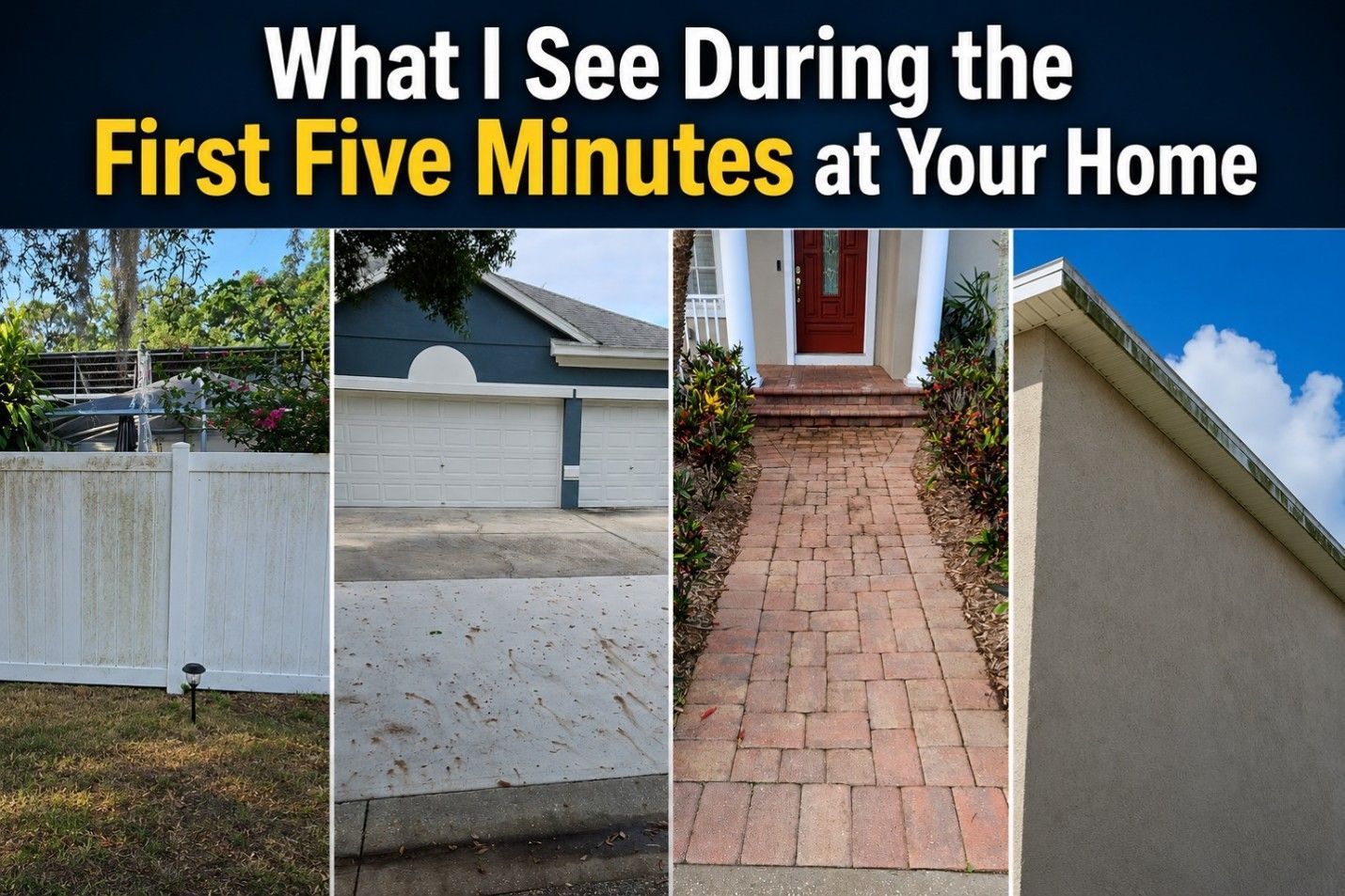
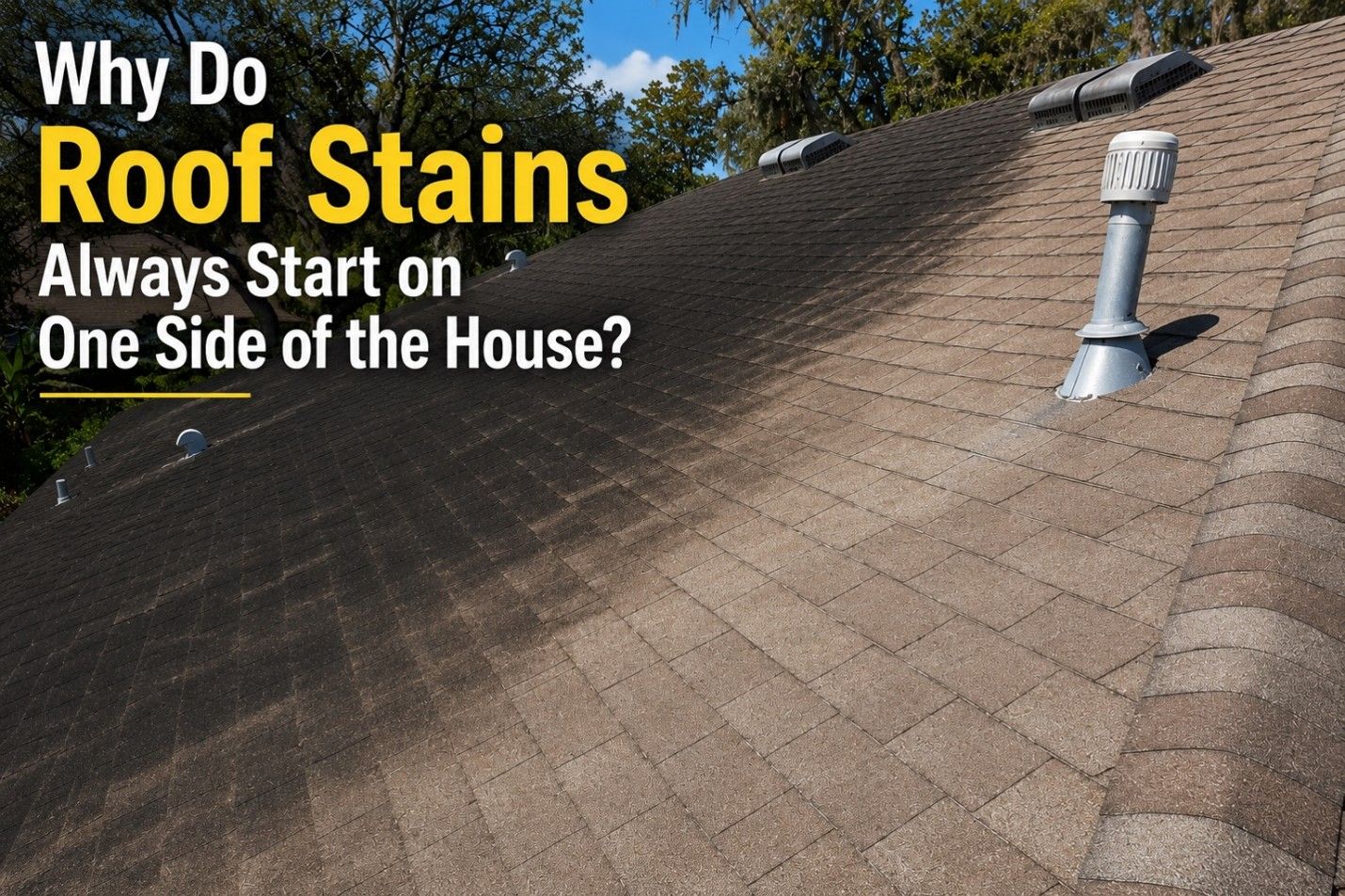
How to Spot Algae Before It Takes Over Your Florida Home
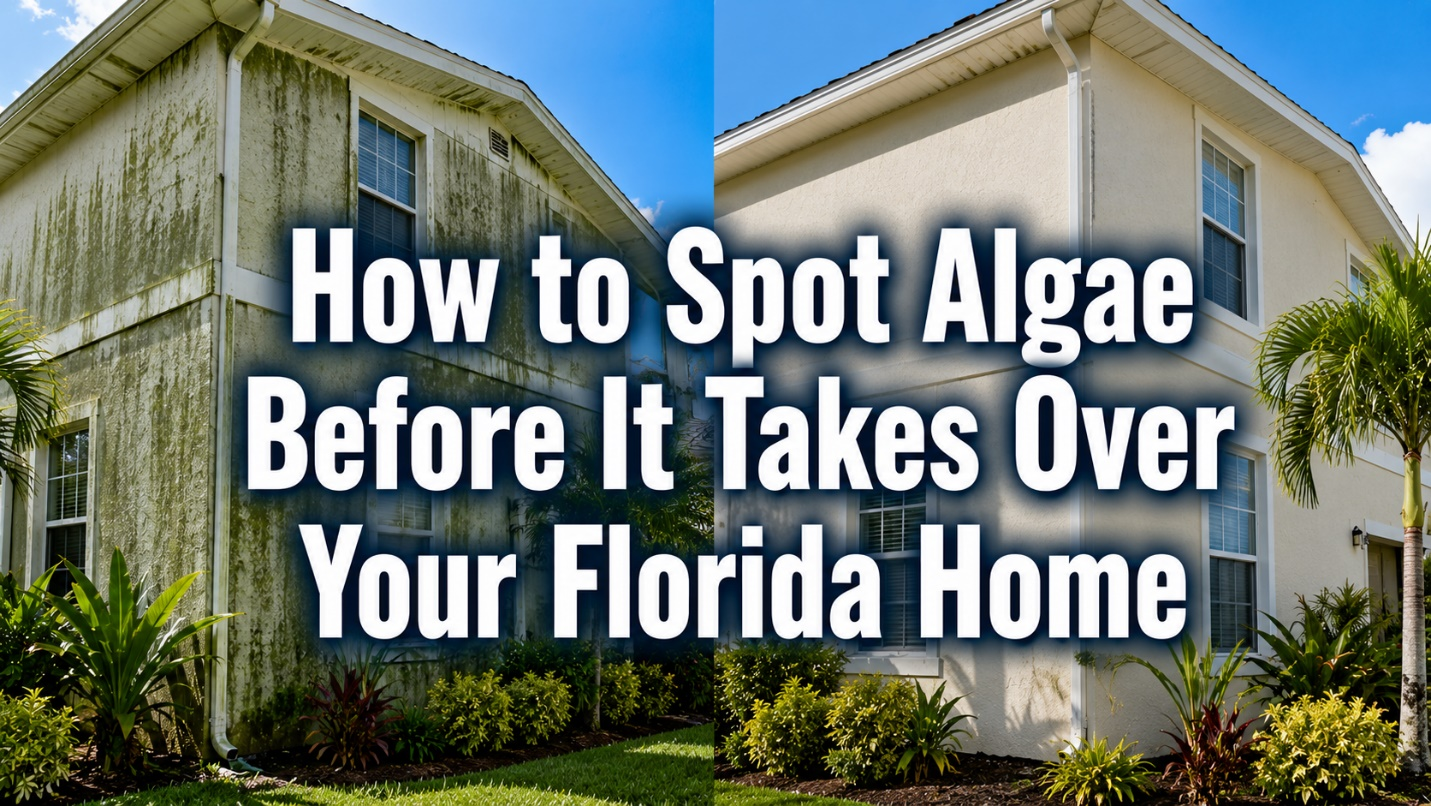
How to Spot Algae Before It Takes Over Your Florida Home
If you've lived in Florida for any length of time, you've probably seen a house covered in green algae.
What many homeowners don't realize is that algae doesn't appear overnight.
It develops slowly over months and years, giving your home plenty of warning before it becomes a major problem.
The challenge is that those early signs are easy to overlook.
After years of washing homes throughout the Tampa Bay area, I've noticed something that surprises me. Most homeowners simply don't walk completely around their house very often. They see the front every day, but weeks or even months can go by without taking a close look at the sides or back of the home.
By the time they finally notice the algae, it has usually been there much longer than they realized.
Fortunately, your home gives you plenty of clues. Once you know where to look, spotting algae before it becomes severe is much easier.
Take Five Minutes and Walk Around Your House
One of the simplest things you can do is spend five minutes walking around your entire home a few times each year.
Don't just glance at the walls.
Look up.
Check the fascia, second-story siding, windows, and the underside of the gutters, where mildew often begins to develop before homeowners notice it elsewhere.
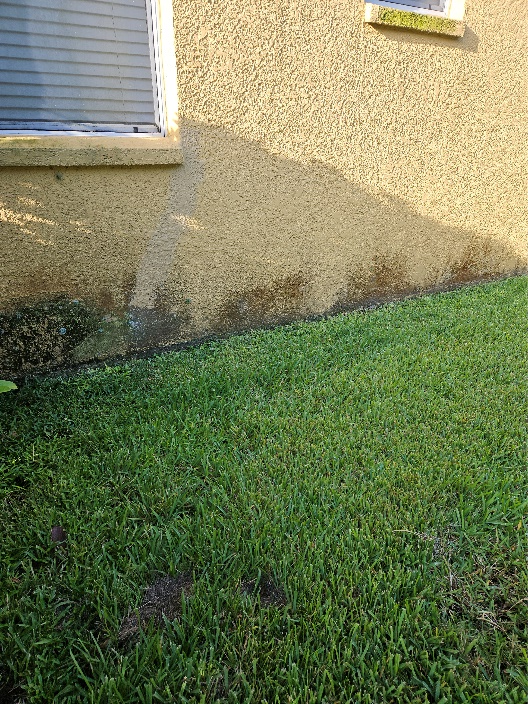
If you have a one-story home, pay close attention near ground level where algae often starts to develop. On two-story homes, don't forget to look up. Algae frequently begins on the second story long before homeowners notice it.
Take a few extra moments to look behind shrubs, around landscaping, and other shaded areas where moisture tends to linger.
Those few minutes can tell you a lot about the condition of your home's exterior.
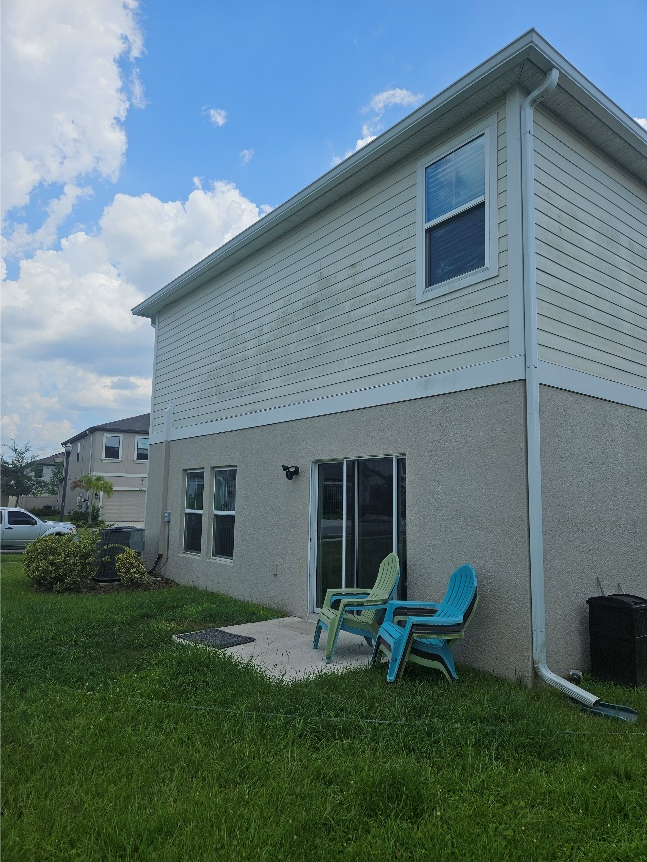
The North Side Usually Tells the Story First
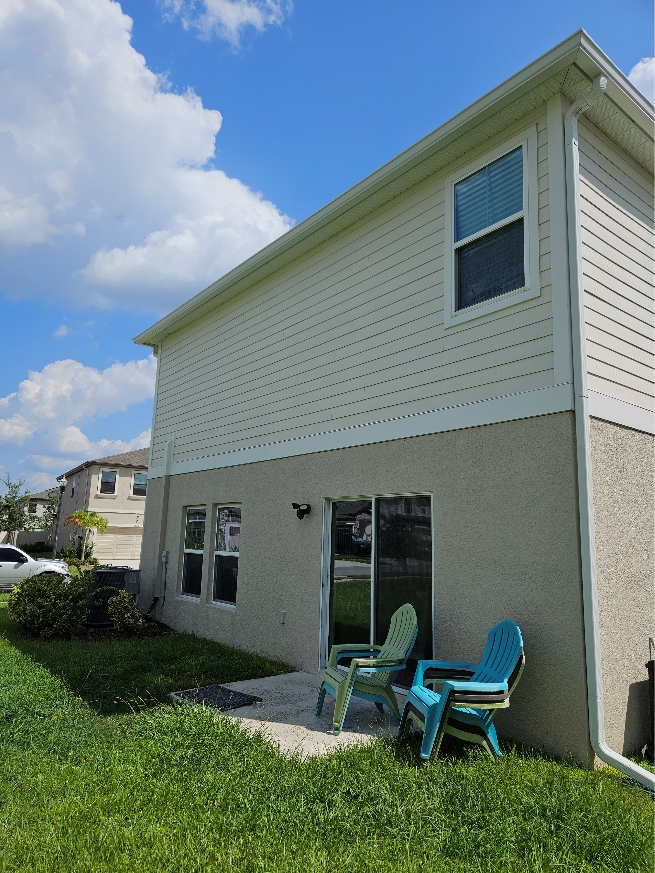
If I could only inspect one side of a house, it would almost always be the north side.
Because it receives less direct sunlight, it stays damp longer after rain and morning dew. Those conditions make it one of the first places algae begins growing.
West-facing walls can develop algae too, especially if they're heavily shaded or back up to wooded areas, but more often than not, the north side gives the first warning.
If you're checking your home for algae, that's where I'd start.
Look Higher Than You Think
One conversation happens during estimates all the time.
A homeowner points to a little algae near the ground and asks if I can clean it.
Then I look up.
I'll point out algae on the fascia, second-story windows, or high on the siding.
Almost every time I hear the same response.
"I didn't even notice that."
It's not because homeowners aren't paying attention.
It's because those areas simply aren't in our normal line of sight.
That's why one piece of advice I give everyone is simple.
Look up.
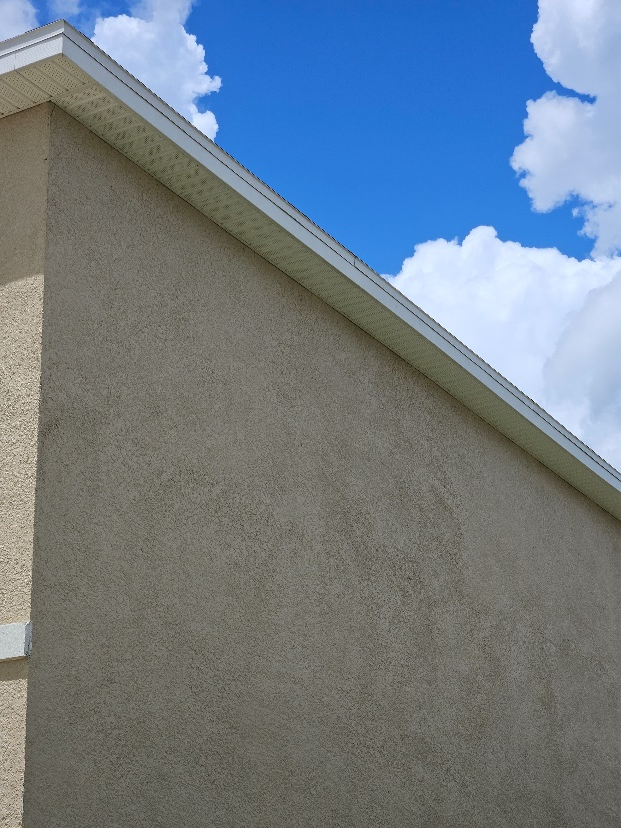
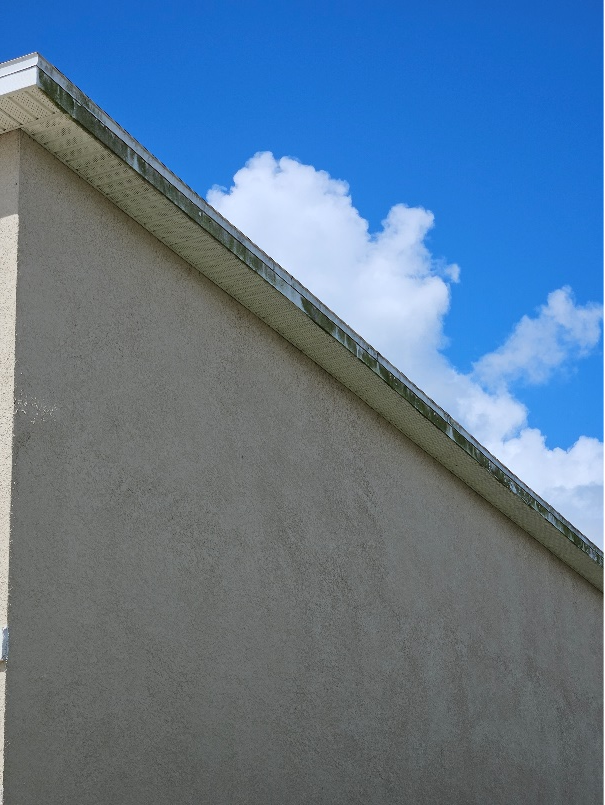
Algae Doesn't Stay Green Forever
One mistake I see homeowners make is assuming algae will stay the same if they ignore it.
It won't.
It usually begins as light green discoloration.
As time passes, it becomes thicker and spreads across larger sections of the home.
Eventually, green algae can turn into heavier black staining and, in some cases, orange algae begins appearing as well.
When I see black or orange staining, it's often a sign the home hasn't been professionally washed in five or six years.
Those stains didn't appear overnight.
They've been developing for a long time.
The good news is that even homes with years of algae buildup can usually be restored with the proper house washing process. If you'd like to learn more about how professional
House Washing safely cleans siding, stucco, fascia, soffits, gutters, and other exterior surfaces, visit our
House Washing service page.
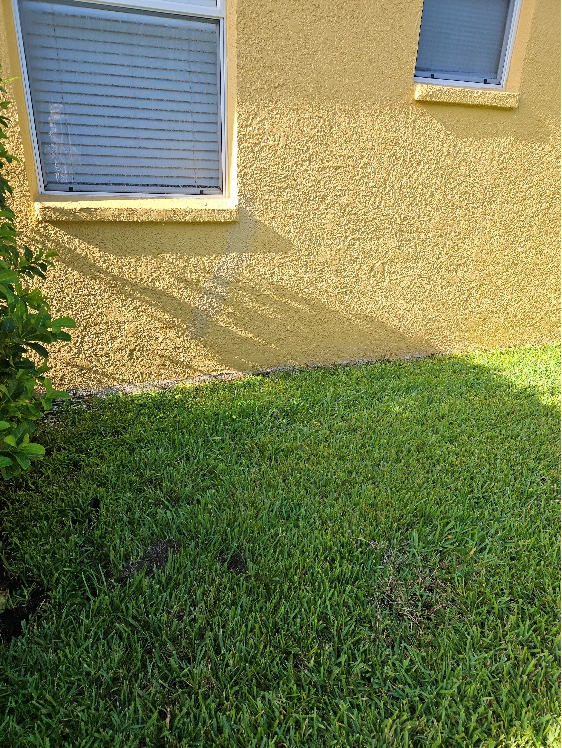
Small Changes Add Up
The fascia starts looking dirty.
The underside of the gutters begins looking dull.
A little green appears near the ground.
Another spot shows up on the second story.
Little by little, the house loses that fresh, clean appearance.
One of the most common things I hear is, "I didn't realize it had gotten that bad."
Usually that happens after an HOA notice arrives or when family is coming to visit. The algae didn't appear overnight—it had been slowly building up for a long time.
Catch It Early
One of the best habits you can develop is taking five minutes a few times each year to walk completely around your home.
Pay special attention to the north side.
Look up at the fascia and second story.
Check the underside of the gutters.
Inspect shaded areas behind landscaping.
The earlier you notice algae beginning to develop, the easier it is to restore your home's clean appearance before years of buildup take hold.
To learn what factors determine the ideal cleaning schedule for your home, read How Often Should I Pressure Wash My Florida Home?
Share: