Professional Roof Cleaning
If your roof is starting to show black streaks, algae, or other organic growth, professional roof cleaning can restore its appearance without the need for a roof replacement. Florida's heat, humidity, rainfall, and shade create ideal conditions for algae to grow on both asphalt shingles and tile roofs. Over time, that growth can leave your roof looking older and dirtier than it really is.
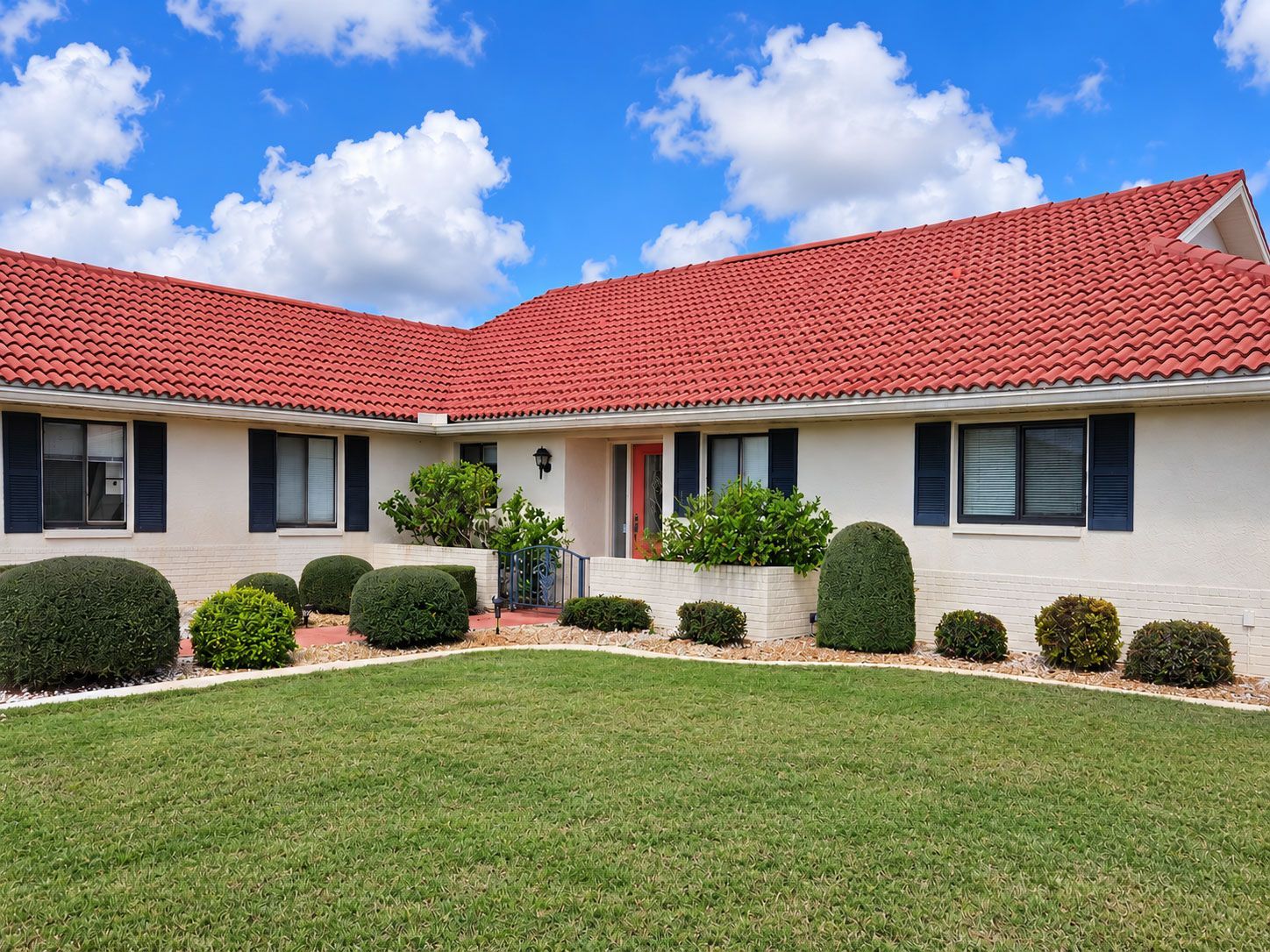
At Riverview Pressure Cleaning, we clean both asphalt shingle and tile roofs using a cleaning method suited to the material and condition of the roof. Soft washing is generally our preferred approach because it allows the cleaning solution to do most of the work without relying on aggressive pressure. However, some heavily soiled tile roofs require a different approach when thick layers of algae and organic growth prevent a chemical treatment from reaching the surface effectively.
Every roof is a little different, which is why we prefer to see the roof in person before providing a quote. We look at the size, layout, roofing material, amount of buildup, accessibility, and overall condition before deciding how it should be cleaned. Some homes have multiple roof sections with different angles that require additional time and attention, while older or brittle roofs may need a completely different conversation about whether cleaning is the best option.
What Causes Black Streaks on a Roof?
Those black streaks that gradually appear on an asphalt shingle or tile roof are often caused by Gloeocapsa magma, a type of blue-green algae that thrives in warm, humid environments. As the algae grows, it produces a dark protective coating that creates the black or brown staining you see on many Florida roofs. What may look like simple dirt is often organic growth that needs to be treated rather than simply rinsed away.
Florida's heat, humidity, frequent rain, and long periods of moisture create favorable conditions for algae and other organic growth. Shade and tree coverage can make the problem worse because those areas of the roof tend to stay damp longer. That's also why you may notice staining on one side of your roof while the other side still looks relatively clean.
Why Roof Stains Often Start on One Side
It is common for roof staining to appear unevenly. A north-facing roof slope or an area shaded by trees may develop algae much sooner than a section that receives several hours of direct sunlight each day. Roof sections surrounded by mature trees can also collect more moisture and organic debris, giving algae more opportunity to grow.
If you've noticed that only one side of your roof is starting to turn black or green, there's usually a reason for it. Why Do Roof Stains Always Start on One Side of the House? explains some of the factors we see on local roofs and why shaded areas tend to need attention first.
Roof Cleaning for Shingle and Tile Roofs
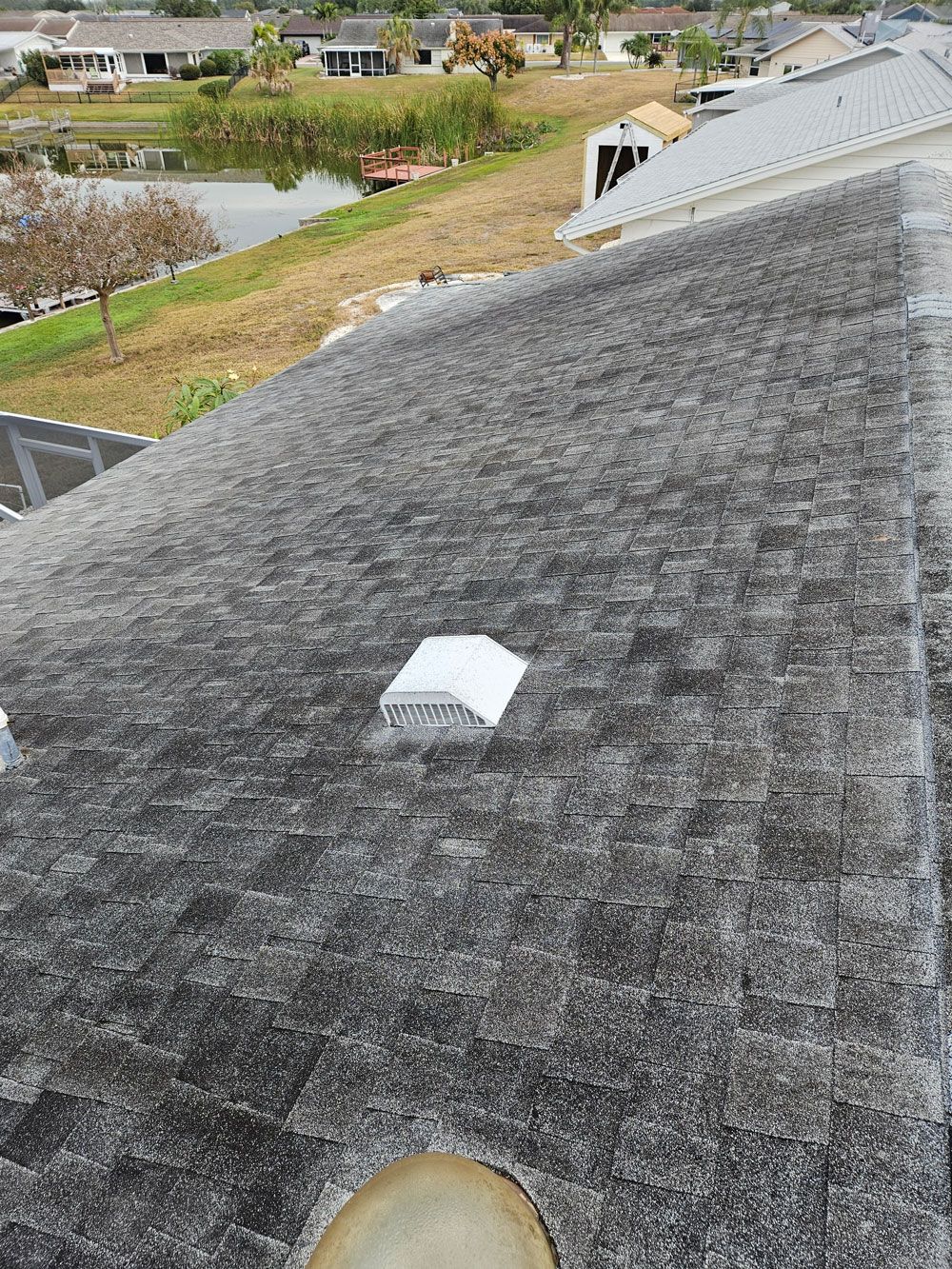
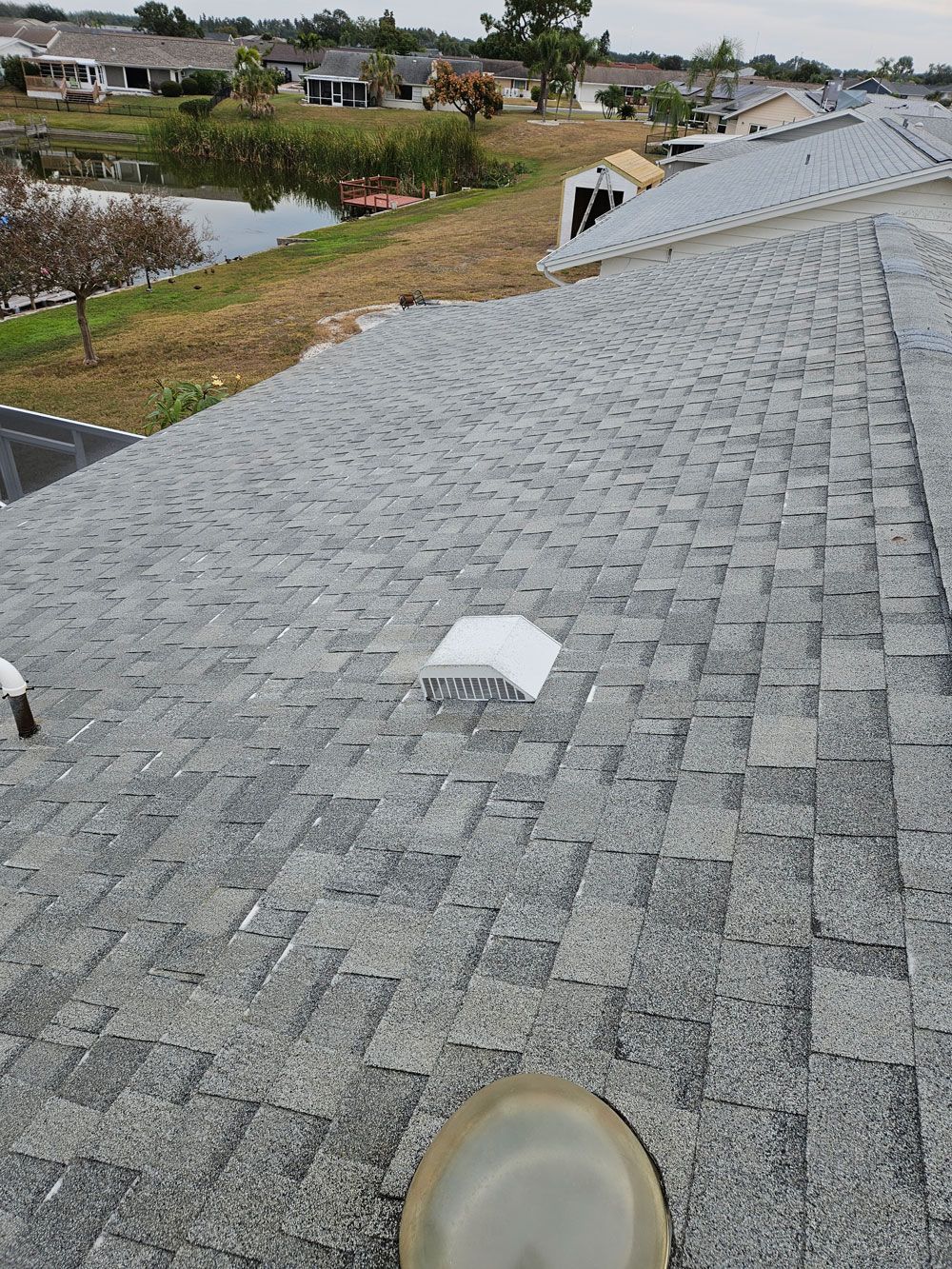
Soft washing is our preferred method for cleaning asphalt shingles. Rather than relying on high pressure to remove the staining, we apply a cleaning solution and allow it time to work on the algae and organic growth. This helps clean the roof without the aggressive pressure that can damage the protective granules on asphalt shingles.
If you're concerned about whether pressure washing can damage your shingles, we've put together a more detailed explanation here: Does Pressure Washing Damage Roof Shingles?
Tile Roofs
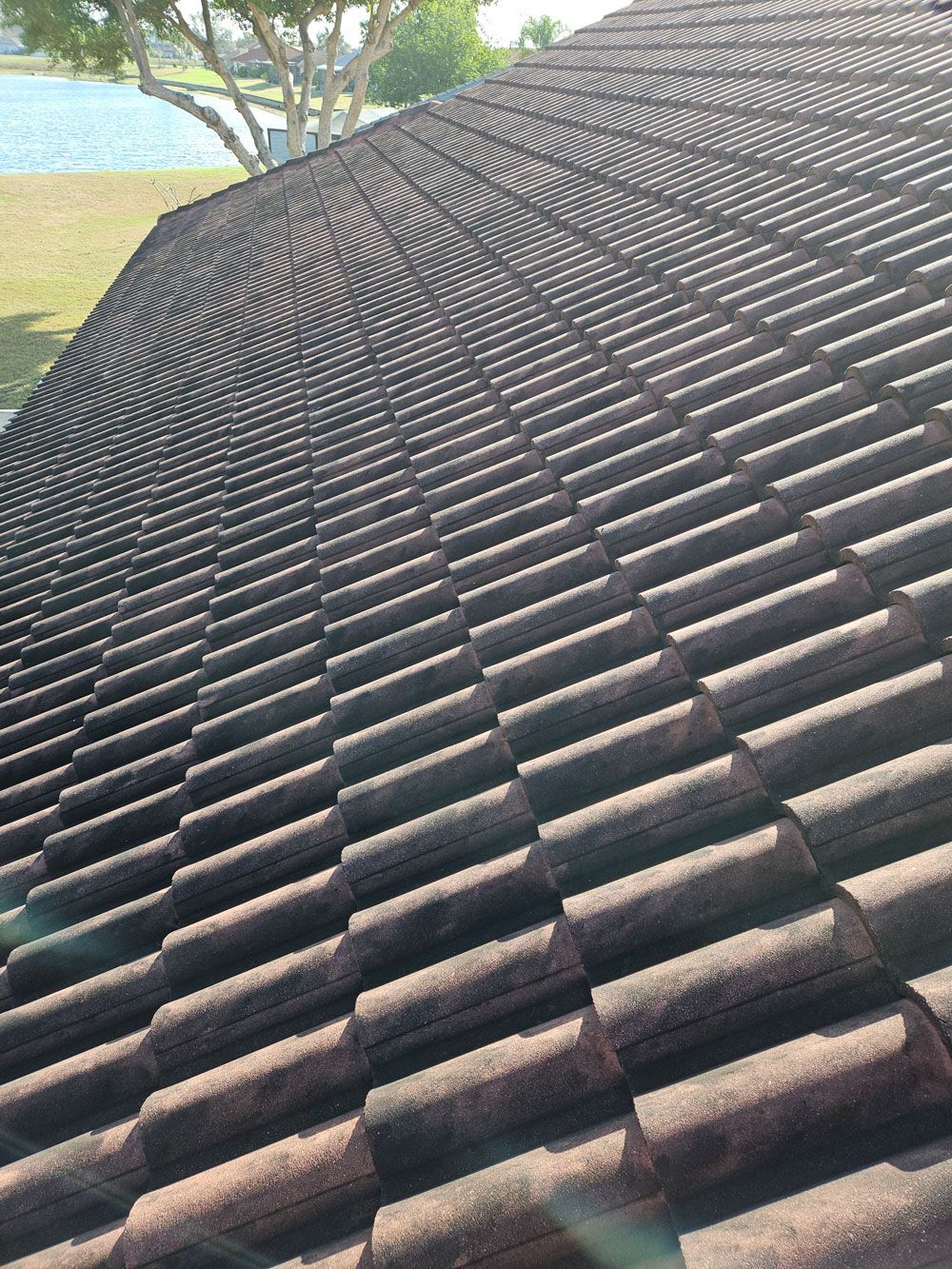
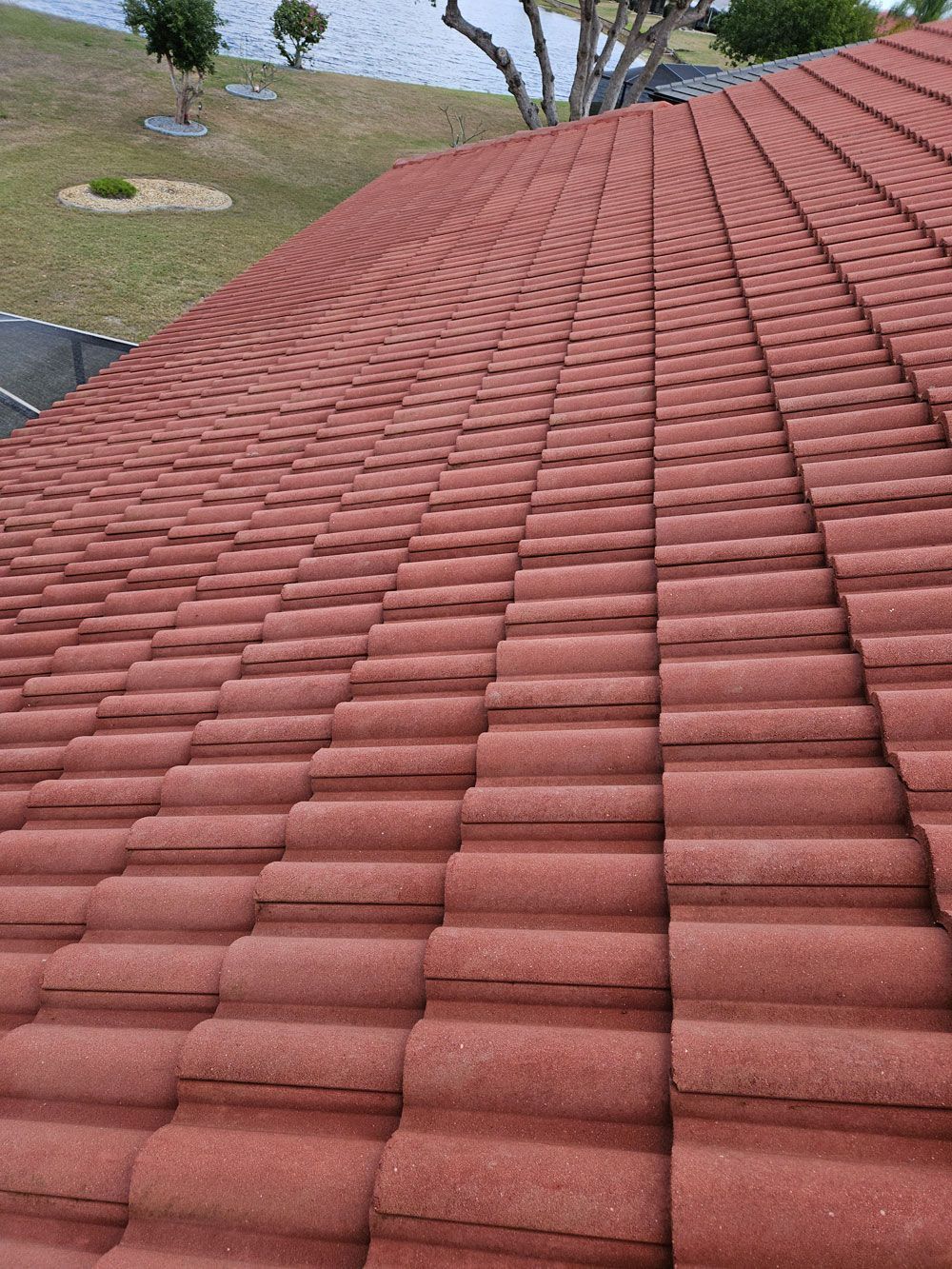
Tile roofs can also be soft washed, and that's generally where we start. However, occasionally we'll come across a tile roof with such a heavy buildup of algae and organic growth that a chemical treatment can't effectively get through the multiple layers. When that happens, traditional pressure washing may be necessary to remove the buildup.
Pressure washing a tile roof is a more involved process. It takes longer, requires more physical effort, and requires us to carefully control a surface cleaner while working on the roof. Because of the additional time and labor involved, a tile roof that requires pressure washing will cost more than a straightforward soft wash.
Once that heavy buildup has been removed, we can usually return to a soft washing approach on future visits. Keeping the roof on a regular cleaning schedule and calling when you first notice the black streaks returning can prevent the algae from building back up into the thick layers that made the initial cleaning more difficult.
Other Roofing Materials
Most of the roofs we clean are asphalt shingles or tile, but we've also cleaned some metal roofs and roof membranes found on mobile homes. These types of roofs are less common, so we evaluate the material and condition of each one before determining the appropriate cleaning method.
Our Roof Cleaning Process
Inspecting the Roof Before We Start
Every roof cleaning starts with an inspection. Before we begin, we look at the roofing material, the condition of the roof, the amount of algae and organic growth, how easy the different sections are to access, and the overall complexity of the roof. Some homes have several separate roof sections with different angles, which can add time and require more care during the cleaning.
We normally do most of our roof cleaning while working directly on the roof, but we don't assume that every roof should be treated the same way. If a homeowner prefers that we don't walk on the roof, we're happy to work from a ladder when the entire roof can be safely reached with our spray equipment.
Age and condition are also important. Older asphalt shingles can lose their protective granules, and older tile roofs can become brittle. If we have concerns about the condition of a roof, we'll discuss what we see with the homeowner before beginning. Sometimes cleaning makes sense, while in other cases the better option may be to have a roofer evaluate the roof.
Choosing the Right Cleaning Method
Soft washing is our preferred method for most roofs, but the condition of the roof and the amount of buildup can change the process. Asphalt shingles are generally soft washed, while tile roofs with exceptionally thick, layered algae and organic growth may require traditional pressure washing to remove the buildup effectively.
When pressure washing is necessary on a tile roof, we use a surface cleaner and work carefully across the roof. Most of the tile roofs we encounter are barrel tile, where a smaller, lighter surface cleaner is easier to control. This process takes considerably longer than a typical soft wash, which is reflected in the cost of the cleaning.
Protecting Your Landscaping
Protecting the property around the roof is an important part of our cleaning process. Before and throughout the cleaning, we protect exposed grass and plants by continuously applying a neutralizer and fertilizer blend specifically formulated to help protect vegetation while we work.
We also cover vulnerable areas when needed and use plastic around downspouts to help catch runoff. Our goal isn't just to get the roof clean. We want to leave the surrounding property in good condition when we're finished.
Applying the Cleaning Solution
For a typical soft wash, we apply a cleaning solution containing an algaecide and surfactant. The algaecide helps kill the algae and organic growth, while the surfactant helps the solution cling to the roof and stay in contact with the buildup.
We allow the solution time to dwell and do the work rather than trying to remove everything with high pressure. In many cases, the afternoon rain helps rinse away the remaining solution and leaves the roof looking fresh and clean.
Final Rinse and Inspection
After the cleaning is complete, we rinse the roof and surrounding areas as appropriate and make sure the property is cleaned up. We also take a final look at the roof to make sure the areas we treated have been properly cleaned and that everything around the home is in good condition.
What If Your Roof Is Old or Brittle?
Not every roof is a good candidate for routine cleaning, and the age and condition of the roofing material can make a difference. We've encountered older asphalt shingle roofs with significant deterioration as well as tile roofs where the tiles have become brittle enough that walking on the roof is no longer something we consider safe.
When we see a roof that may be too fragile to clean normally, we'll talk with the homeowner about what we're seeing before any work begins. We can explain the potential benefits and risks of cleaning and let you decide whether you want to move forward with the cleaning or have a roofing contractor evaluate the roof instead.
For some homeowners, spending a few hundred dollars on cleaning may make sense if it can help them get additional useful time from a roof that otherwise still has some life left. For others, putting that money toward a roof replacement may be the better choice. Our job is to give you an honest assessment so you can make that decision before we start applying cleaning chemicals or working on the roof.
How Long Does Roof Cleaning Last?
A roof cleaning can keep your roof looking fresh for several years, but the exact amount of time depends on the roof, surrounding conditions, and how quickly algae begins to return. Florida's heat, shade, tree coverage, humidity, and rainfall can all influence how quickly organic growth develops again.
A properly performed soft wash should typically keep a roof looking clean for 4 to 5 years. Tile roofs that require traditional pressure washing because of exceptionally heavy buildup may have a somewhat different maintenance cycle, generally around 3 to 5 years.
We also provide a 30-day guarantee on our roof cleaning. While the guarantee gives you peace of mind after the service, our goal is to keep you from needing another intensive cleaning in the first place.
Regular Roof Cleaning Makes Future Maintenance Easier
You don't necessarily need to wait until your roof is covered in black streaks again before calling. Once you begin noticing the first signs of algae returning, that's a good time to schedule maintenance.
When a roof is maintained regularly, we can often use a lower concentration and a less intensive cleaning process because we're treating a relatively small amount of new growth rather than several years of accumulated buildup. Keeping up with the roof can also help avoid situations where a heavily soiled tile roof requires pressure washing to remove multiple layers of organic growth.
For a more detailed look at why regular roof cleaning can be beneficial for Florida homeowners, read Why Regular Roof Cleaning in Riverview, FL Extends Roof Life and Lowers Your Energy Bills.
Roof Cleaning and Florida Insurance Inspections
A clean, well-maintained roof can make a better impression during a Florida insurance inspection, especially when black streaks, algae, moss, or other visible growth are present. Homeowners sometimes contact us before an inspection because they want to improve the appearance of their roof and address visible buildup.
Roof cleaning, however, is not a substitute for roof repairs or replacement. Cleaning can remove algae and organic growth from the surface, but it cannot correct damaged shingles, brittle tiles, leaks, or other roofing problems. That's another reason we inspect the roof before providing a quote. If we see something that concerns us, we'll let you know before you decide to move forward with cleaning.
For more information about preparing for an insurance inspection and what homeowners should look for, see Florida Insurance Inspections: Why a Clean Roof Matters for Homeowners.
What Our Roof Cleaning Customers Say
We're proud of the work we do, but our customers can often explain the experience better than we can.
⭐⭐⭐⭐⭐
Did a great job cleaning my roof!!!!
— Jodi Davidson
⭐⭐⭐⭐⭐
Punctual, courteous and attention to detail. Very good communication throughout scheduling and completion of my roof wash.”
— Michelle Hazzard
Roof Cleaning in Riverview and Surrounding Communities
Riverview Pressure Cleaning provides professional roof cleaning for homeowners throughout Riverview and surrounding South Hillsborough County communities, including Valrico, Brandon, Lithia, Apollo Beach, Wimauma, Ruskin, Gibsonton, and South Tampa.
Whether your roof has a few black streaks beginning to appear or has heavier algae and organic growth that has built up over time, we'll take a look at the roof and recommend the cleaning approach that makes the most sense for its material and condition.
Frequently Asked Questions About Roof Cleaning
Will roof cleaning damage my asphalt shingles?
Asphalt shingles should always be soft washed rather than aggressively pressure washed because excessive pressure can damage the protective granules on the shingles.
For more information, see Does Pressure Washing Damage Roof Shingles?.
Do you pressure wash tile roofs?
Most tile roofs can be cleaned with a soft wash, and that is our preferred method. Occasionally, however, a tile roof has such a thick buildup of algae and organic growth that a chemical treatment cannot effectively reach through all of the layers. In those cases, traditional pressure washing may be necessary.
How often should I have my roof cleaned?
A properly performed soft wash should typically keep a roof looking clean for about 4 to 5 years. Conditions vary, however, and roofs surrounded by trees or exposed to more shade and moisture may need attention sooner. We recommend calling when you begin noticing black streaks returning rather than waiting until the buildup becomes heavy again.
Is roof cleaning safe for my plants and landscaping?
Protecting your landscaping is an important part of our roof cleaning process. We continuously apply a neutralizer and fertilizer blend specifically formulated to help protect exposed grass and plants while we clean. We also use additional protection around vulnerable areas and place plastic around downspouts when needed to help control runoff.
Can you clean an older roof?
It depends on the condition of the roof. Older asphalt shingles may have significant granule loss, and older tile roofs can become brittle. If we have concerns about the condition of a roof, we'll discuss those concerns with you before beginning the cleaning. In some cases, cleaning makes sense; in others, having a roofer evaluate the roof may be the better option.
How much does roof cleaning cost?
Roof cleaning is not priced by size alone. The roofing material, amount of buildup, condition of the roof, accessibility, and complexity of the roof can all affect the time and cleaning method required. Some homes also have multiple roof sections with different angles that add to the complexity of the job.
That's why we prefer to see the roof in person before providing a quote. This also gives us an opportunity to make sure the roof is a suitable candidate for cleaning.
Get a Roof Cleaning Quote
If you're noticing black streaks, algae, or other buildup on your roof, we'd be happy to take a look. We'll inspect the roof, explain what we recommend, and provide a quote based on the actual condition and cleaning requirements.
If we find that your roof is too old or brittle to clean safely, we'll let you know. Our goal is to help you make the right decision for your roof, whether that means cleaning it or having a roofing professional take a closer look.


