What I Wish Every Homeowner Knew Before Using a Pressure Washer
What I Wish Every Homeowner Knew Before Using a Pressure Washer
If you've ever walked through the home improvement store and seen a pressure washer on sale, you've probably thought, "How hard can it be?"
I understand the appeal. Cleaning your own driveway or patio sounds like an easy weekend project that saves a little money.
After more than 13 years cleaning homes throughout Riverview and the surrounding Tampa Bay area, I can tell you something that surprises many homeowners:
Using a pressure washer isn't usually the difficult part. Knowing what not to do is.
I've seen beautiful concrete permanently striped, wood fences shredded, window seals damaged, pool cage screens torn, and even roofs ruined—not because someone was careless, but because nobody told them how quickly things can go wrong.
Here are a few things I wish every homeowner knew before pulling the trigger on a pressure washer.
Pressure Doesn't Clean Nearly as Much as People Think
One of the biggest misconceptions is that higher pressure equals better cleaning.
In reality, pressure mostly removes loose dirt.
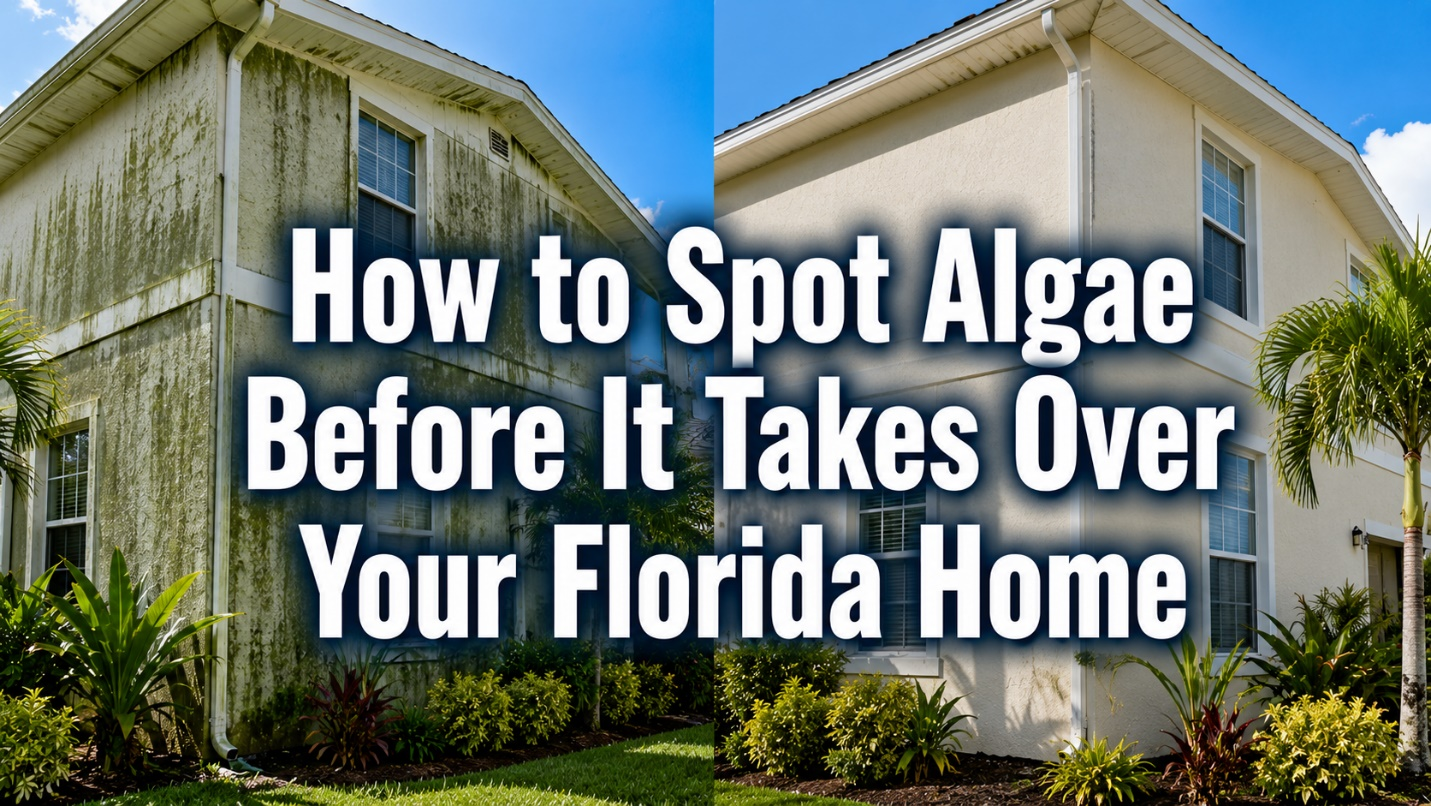
The stains homeowners struggle with—algae, mold, mildew, black streaks, and organic buildup—usually need the right cleaning solution first. Once the growth is treated and loosened, it rinses away with surprisingly little pressure.
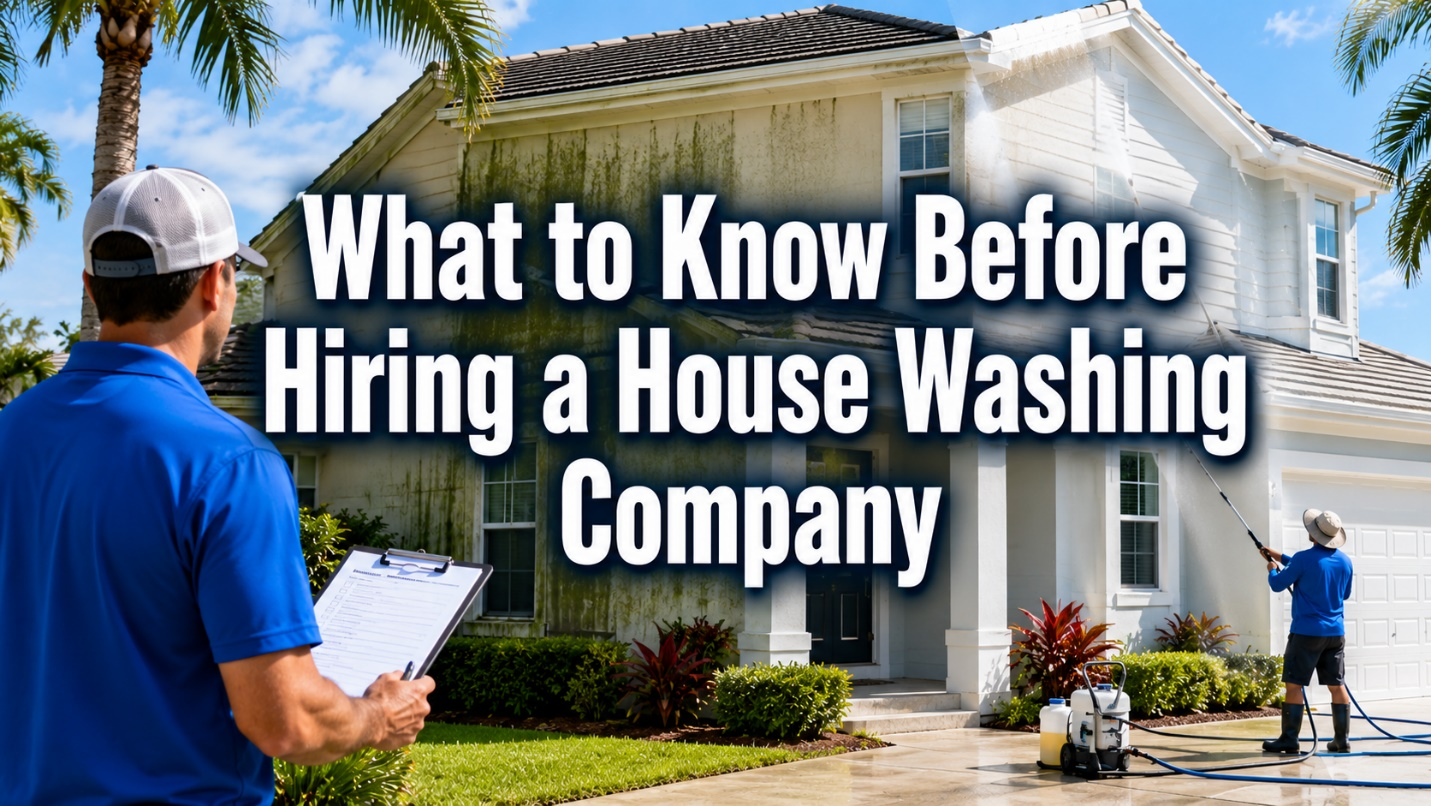
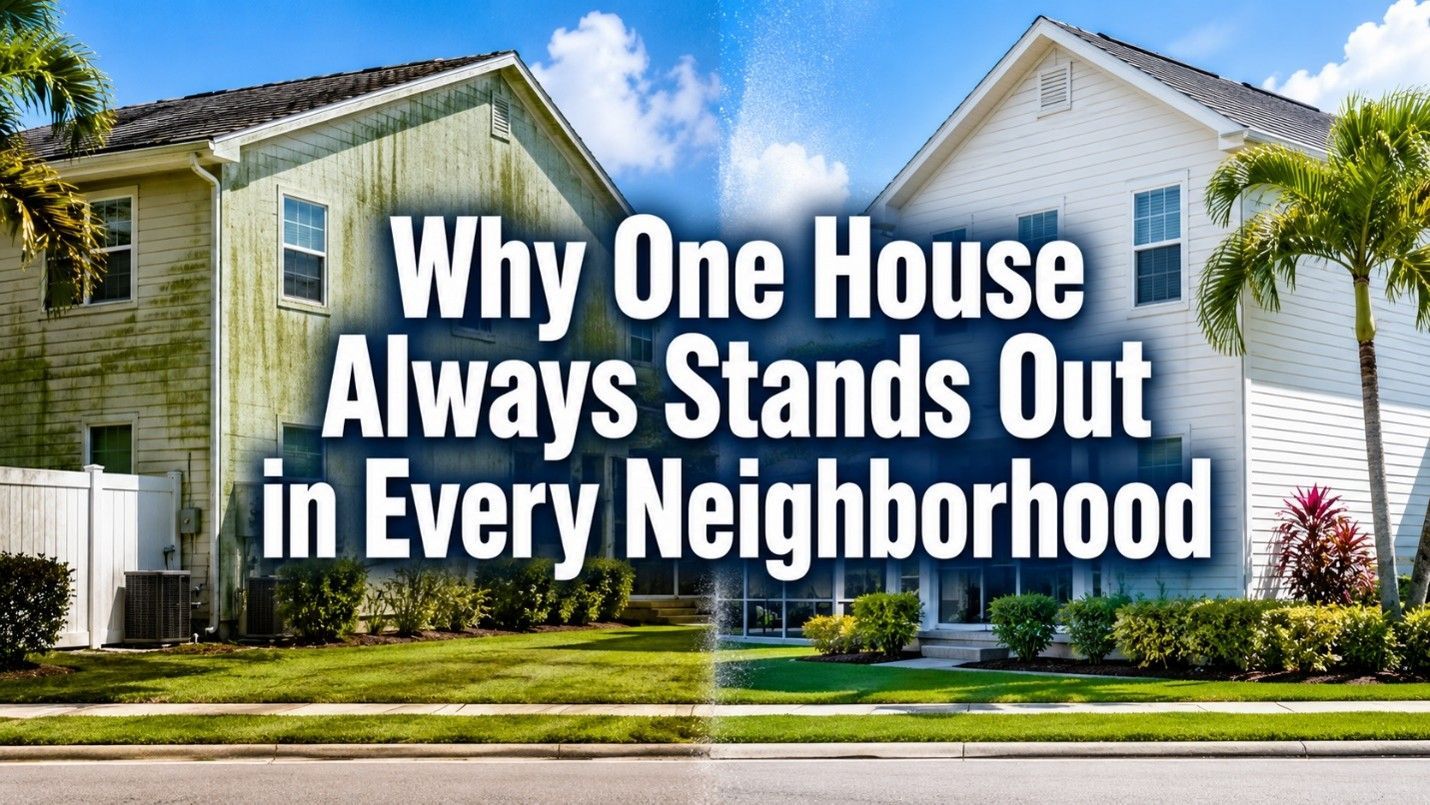
That's exactly why our House Washing process relies on soft washing instead of high pressure. The goal isn't to blast dirt away—it's to eliminate the organic growth that's causing the problem in the first place.
The goal isn't to clean harder.
The goal is to clean smarter.
Concrete Is Tough—But It Isn't Indestructible
Driveways seem like they can handle anything.
Unfortunately, they're one of the easiest surfaces to damage.
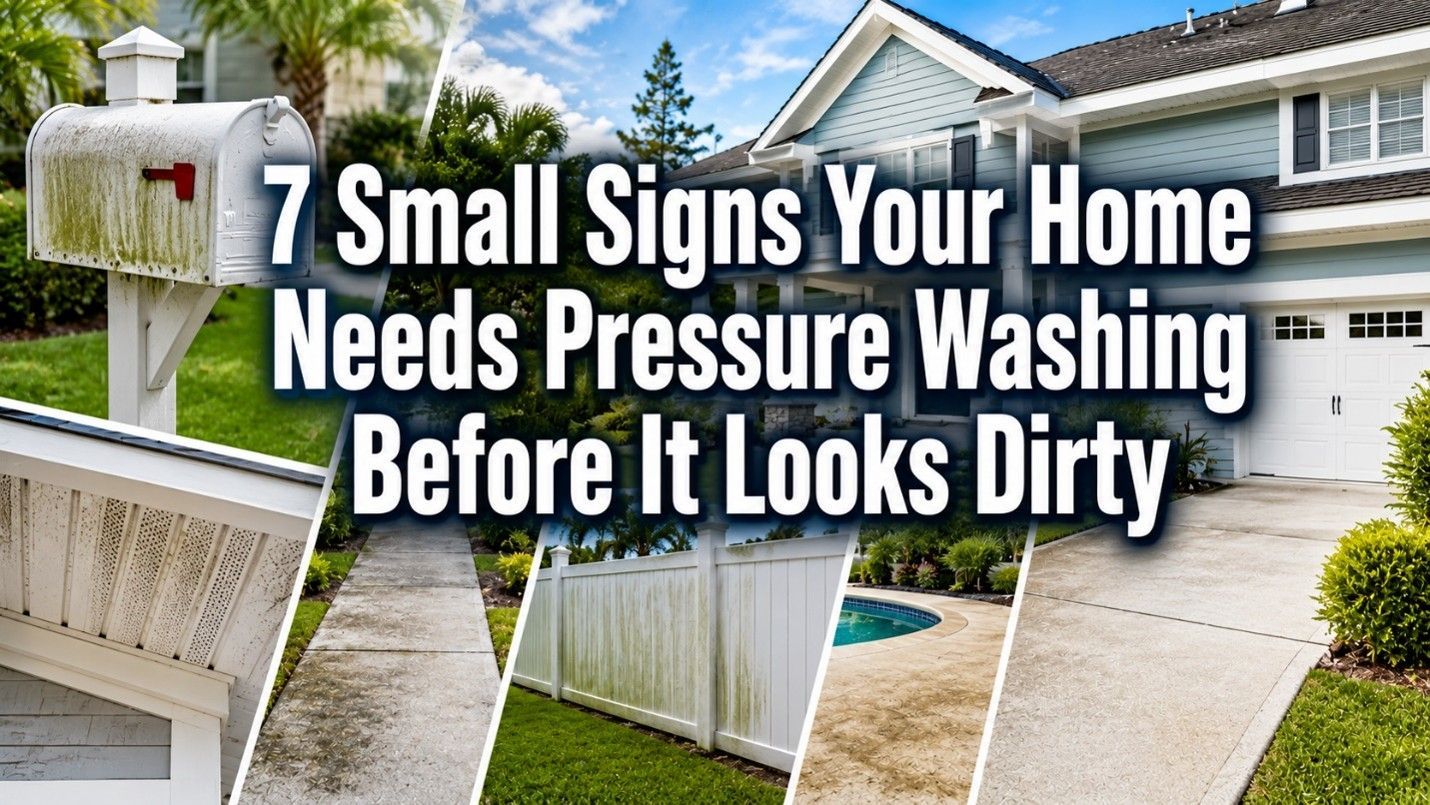
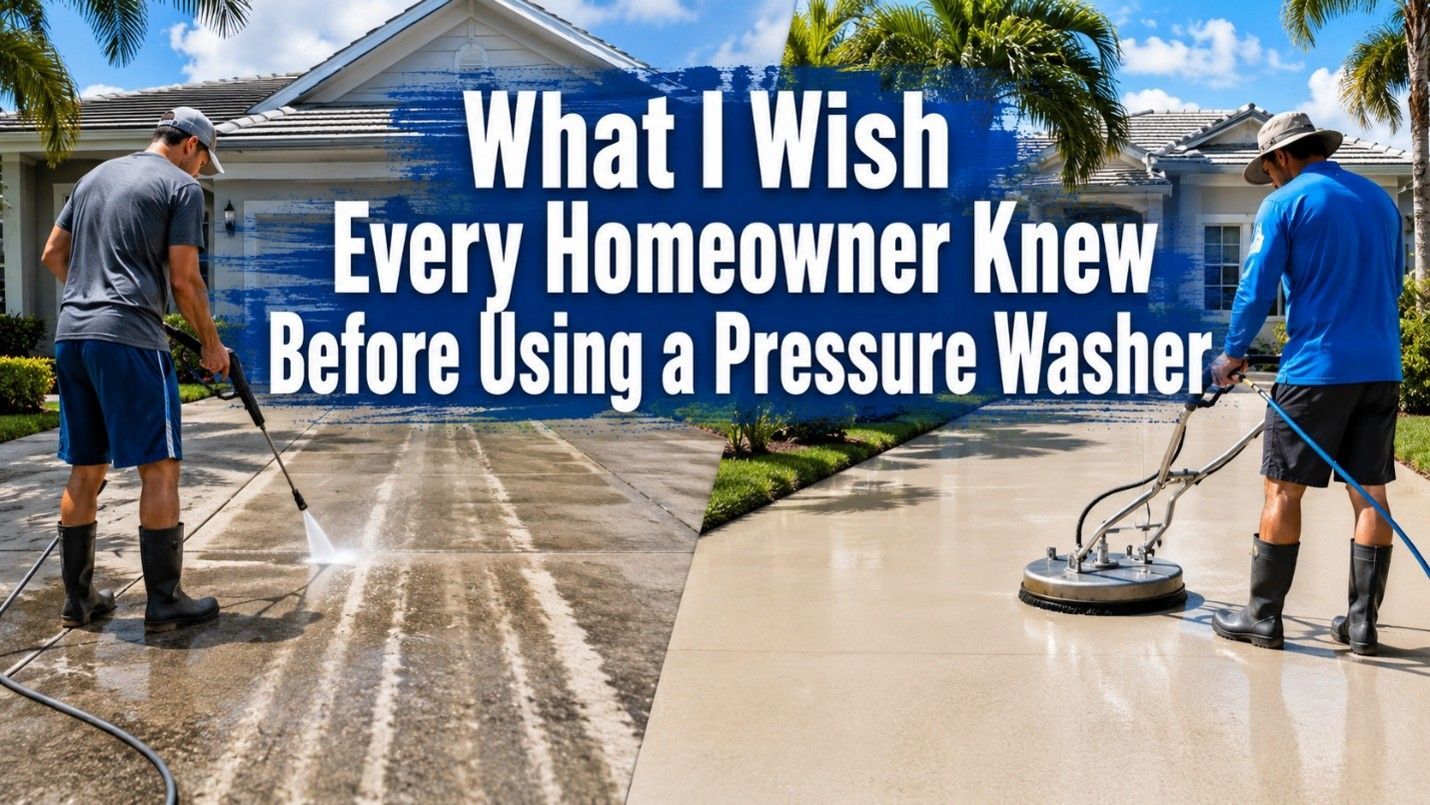
Every year I see driveways covered with "zebra stripes" from homeowners using a pressure washer wand instead of a professional surface cleaner. Those overlapping lines happen because the spray isn't held at a perfectly consistent height or speed.
Sometimes the marks fade over time.
Sometimes they don't.
Concrete can also develop visible etching if the pressure is too high or the nozzle stays in one spot for too long. Once concrete is etched, there's no simple way to reverse it.
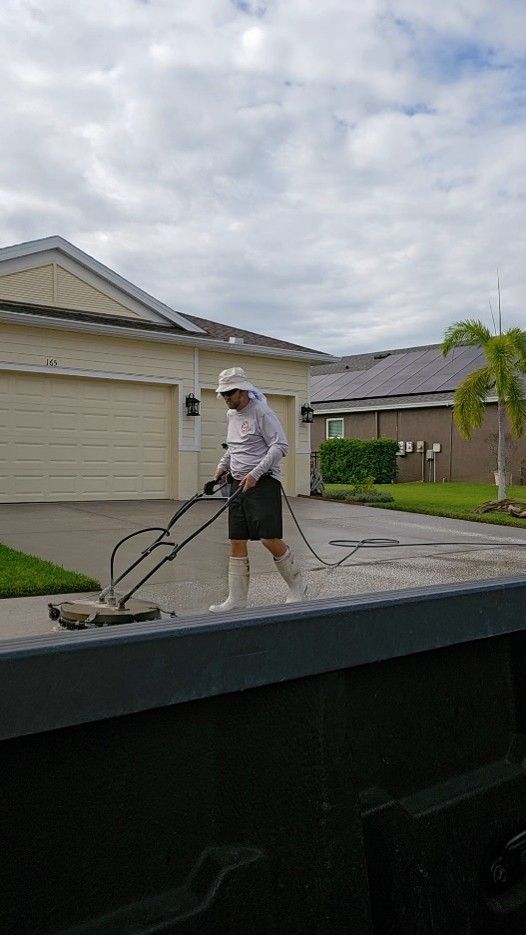
Our Driveway Pressure Washing service uses commercial surface cleaners designed to maintain a consistent cleaning height, producing a more even result while reducing the chance of permanent damage.
Every Surface Requires a Different Approach
One mistake many homeowners make is assuming one pressure setting works for everything around the house.
It doesn't.
Your driveway, vinyl siding, painted pool deck, fence, pool cage, pavers, and roof all require different cleaning methods.
The same pressure that works on concrete can easily damage vinyl siding, painted surfaces, wood fences, window screens, or pool cage screens.
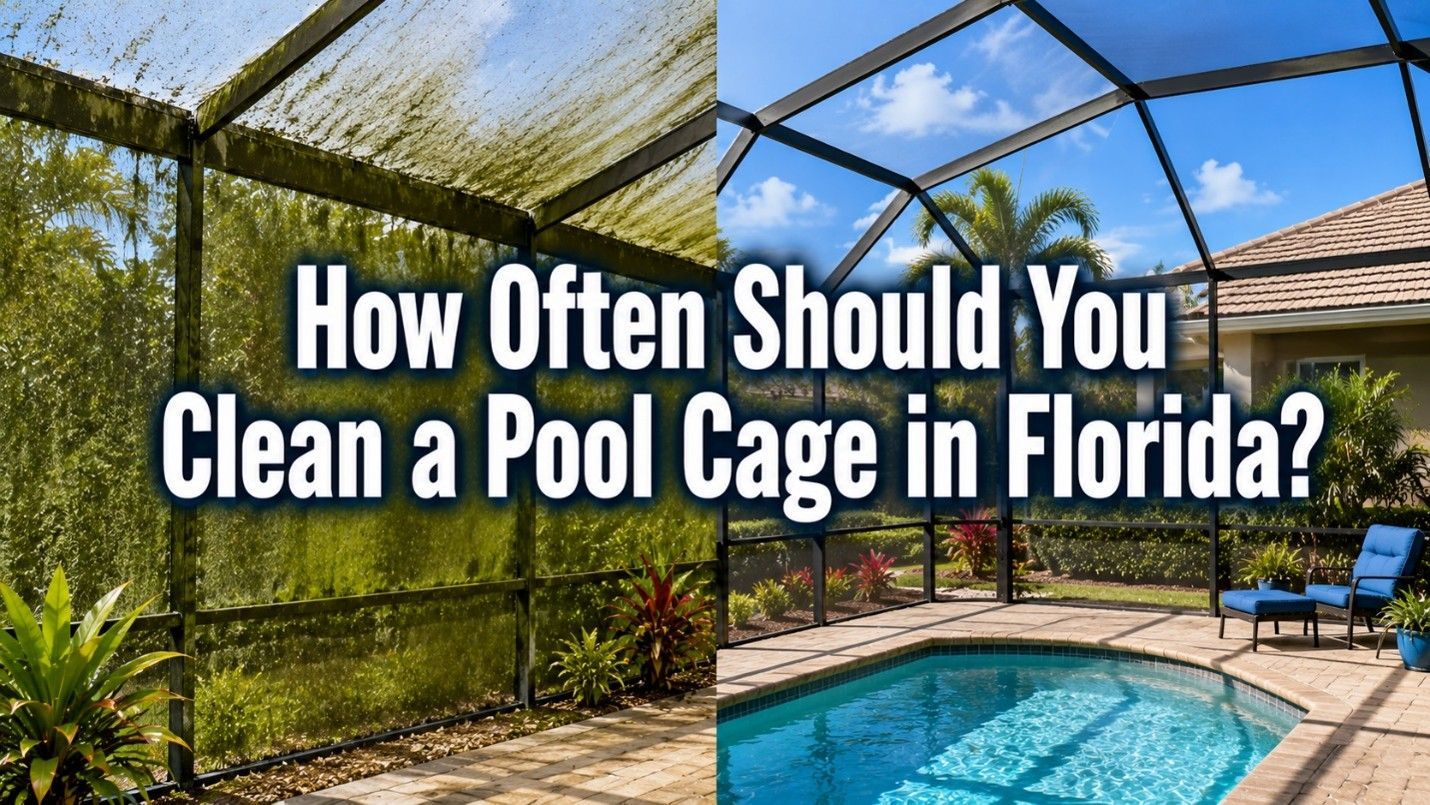
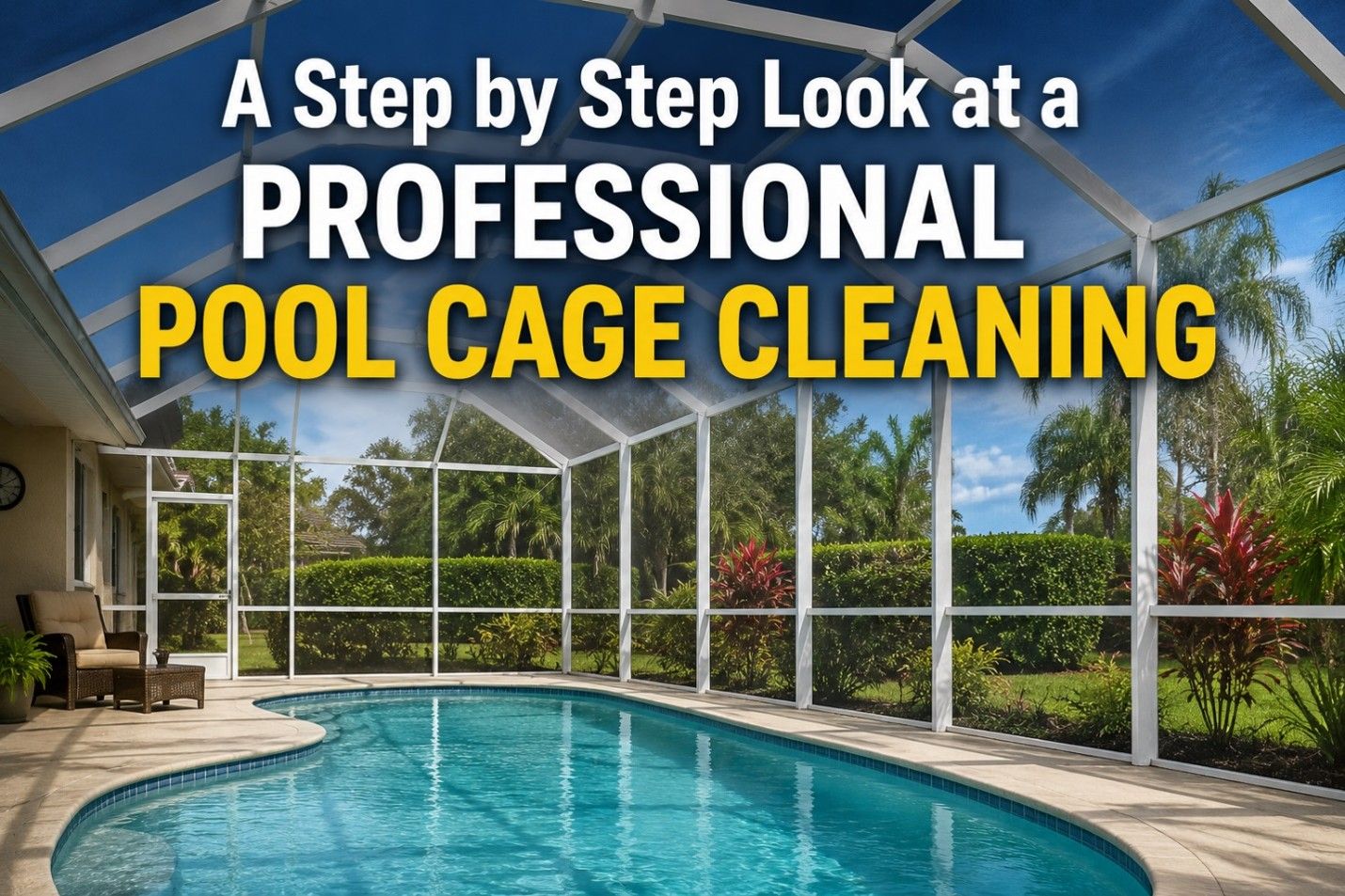
For example, homeowners are often surprised to learn that a Pool Cage Cleaning involves far more than spraying the aluminum frame. The screens themselves require a much gentler approach, and using too much pressure can stretch or tear the mesh.
The same applies to decorative hardscapes. If your home has pavers or travertine, you'll want to understand the risks before you begin. We explain those differences in our blog, Can Pressure Washing Damage Pavers or Travertine? What Homeowners Should Know, because not every surface should be cleaned the same way.
Professional cleaning is less about having a powerful machine and more about knowing which technique belongs on each surface.
Your Landscaping Needs Protection Too
Many homeowners focus on cleaning the house but forget what's growing around it.
Cleaning solutions that work well on algae can damage flowers, shrubs, and delicate landscaping if they're not properly protected.
Before we begin any house wash, we thoroughly wet surrounding plants and continue rinsing them throughout the cleaning process. That extra effort is one reason homeowners trust professionals to clean their homes safely.
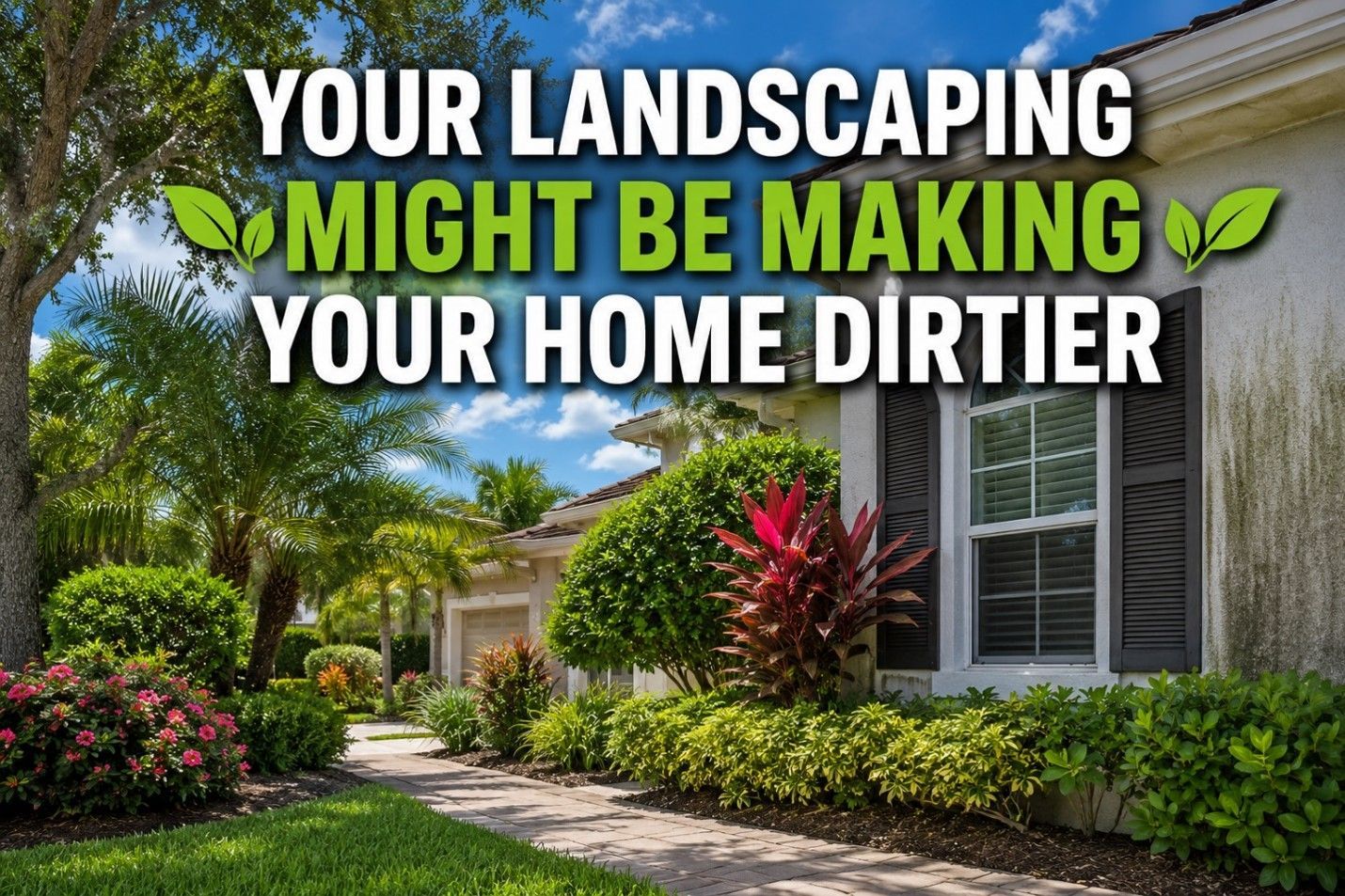
Interestingly, your landscaping can also contribute to the buildup you're trying to remove. Trees, shrubs, and dense plantings often trap moisture against exterior surfaces, creating ideal conditions for algae and mildew. If you've never considered that connection, our article Your Landscaping Might Be Making Your Home Dirtier explains why certain homes seem to stay dirty much longer than others.
More Pressure Often Means More Repairs
When homeowners call after attempting the project themselves, it usually isn't because they couldn't finish.
It's because something unexpected happened.
I've seen:
- Window screens torn
- Paint removed from trim
- Water forced behind siding
- Pool cage screens ripped
- Wooden fences splintered
- Decorative concrete scarred
- Caulking blown out around windows
None of these were intentional.
Pressure washers are incredibly effective tools when they're used correctly—but they're equally effective at causing damage when they're not.
In fact, I wrote another article called DIY vs. Professional Pool Cage Cleaning: A Riverview, FL Homeowner's Guide because pool enclosures are one of the most commonly damaged areas I see after homeowners attempt the job themselves.
The Right Equipment Makes a Bigger Difference Than Most People Realize
There's also a huge difference between homeowner equipment and professional equipment.
Many people assume commercial machines simply produce more pressure.
Actually, professionals often rely more on
higher water volume than extreme pressure.
More gallons per minute allow surfaces to be rinsed quickly and evenly while using less aggressive pressure.
That means faster cleaning, better results, and less chance of damaging the surface.
It's one of those details homeowners rarely think about until they've experienced both.
Experience Is What You're Really Paying For
People often ask why professional pressure washing costs more than renting a machine for the weekend.
The machine isn't what you're paying for.
You're paying for someone who's learned what works after cleaning thousands of homes.
Someone who knows when to increase pressure—and when to reduce it.
Someone who recognizes delicate surfaces before they're damaged.
Someone who understands how Florida's algae, humidity, shade, irrigation, and landscaping affect every cleaning job differently.
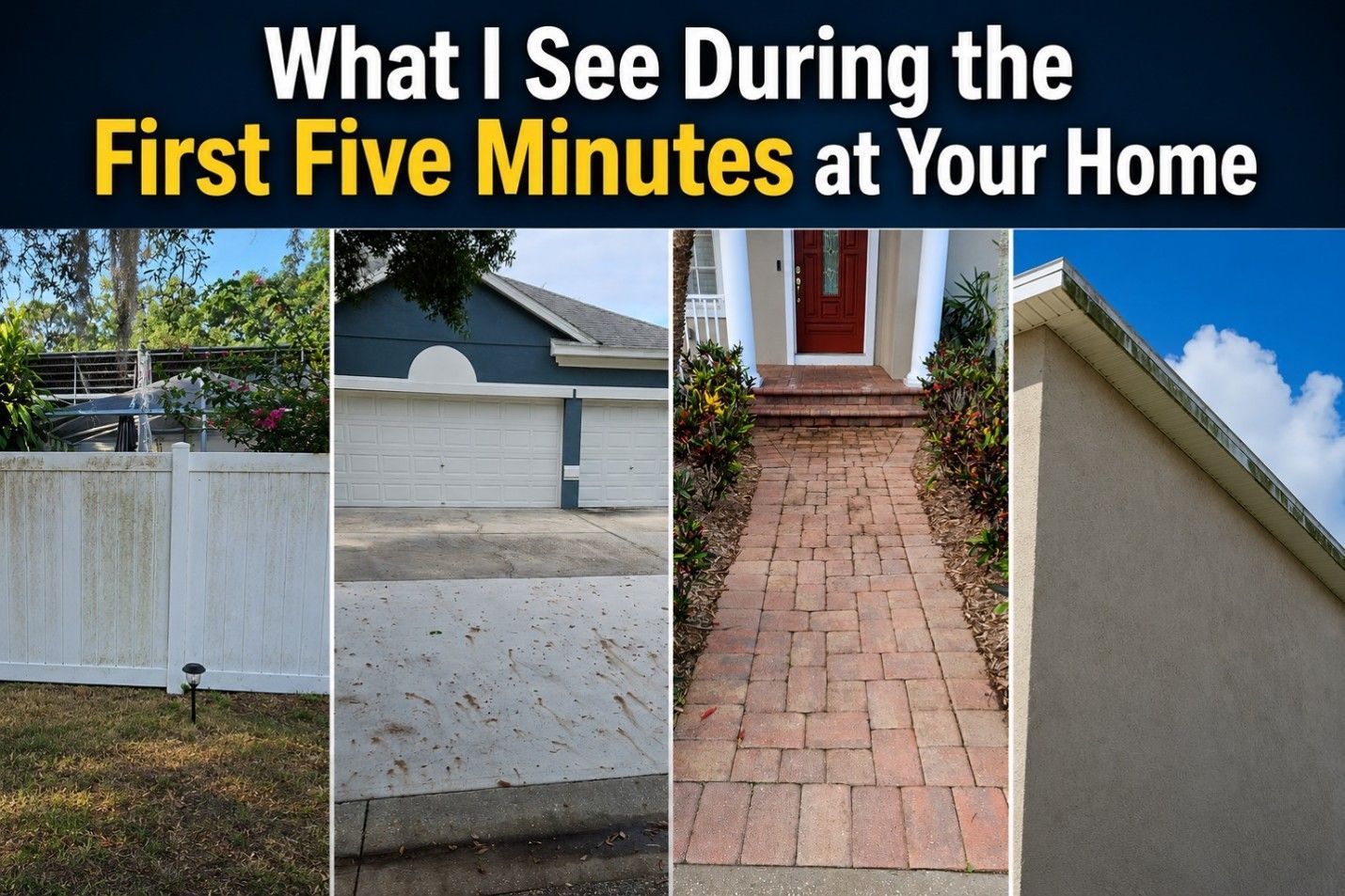
In fact, many of the issues we identify have nothing to do with the cleaning itself. During the first few minutes at a home, we often notice drainage problems, sprinkler overspray, landscaping concerns, oxidation, or surfaces that require a completely different cleaning method. That's why I wrote What I See During the First Five Minutes at Your Home—to give homeowners a look at the things most people never notice.
After years in this business, I've learned that successful pressure washing has very little to do with using more force.
It's about using the right technique.
Final Thoughts
Pressure washers are excellent tools, and for the right projects they can absolutely save homeowners time and money.
But before pulling the trigger, remember that cleaning isn't always about pressure. In many cases, the best results come from using less pressure, better cleaning solutions, and the right process for the surface you're cleaning.
If you're unsure whether a project is safe to tackle yourself, it's worth asking before a simple weekend project turns into an expensive repair. Whether you're planning to clean your driveway, wash your home, or restore your pool enclosure, choosing the right method from the start almost always produces better, longer-lasting results.
Share: