Why Screened Lanais Collect More Dirt Than Homeowners Expect
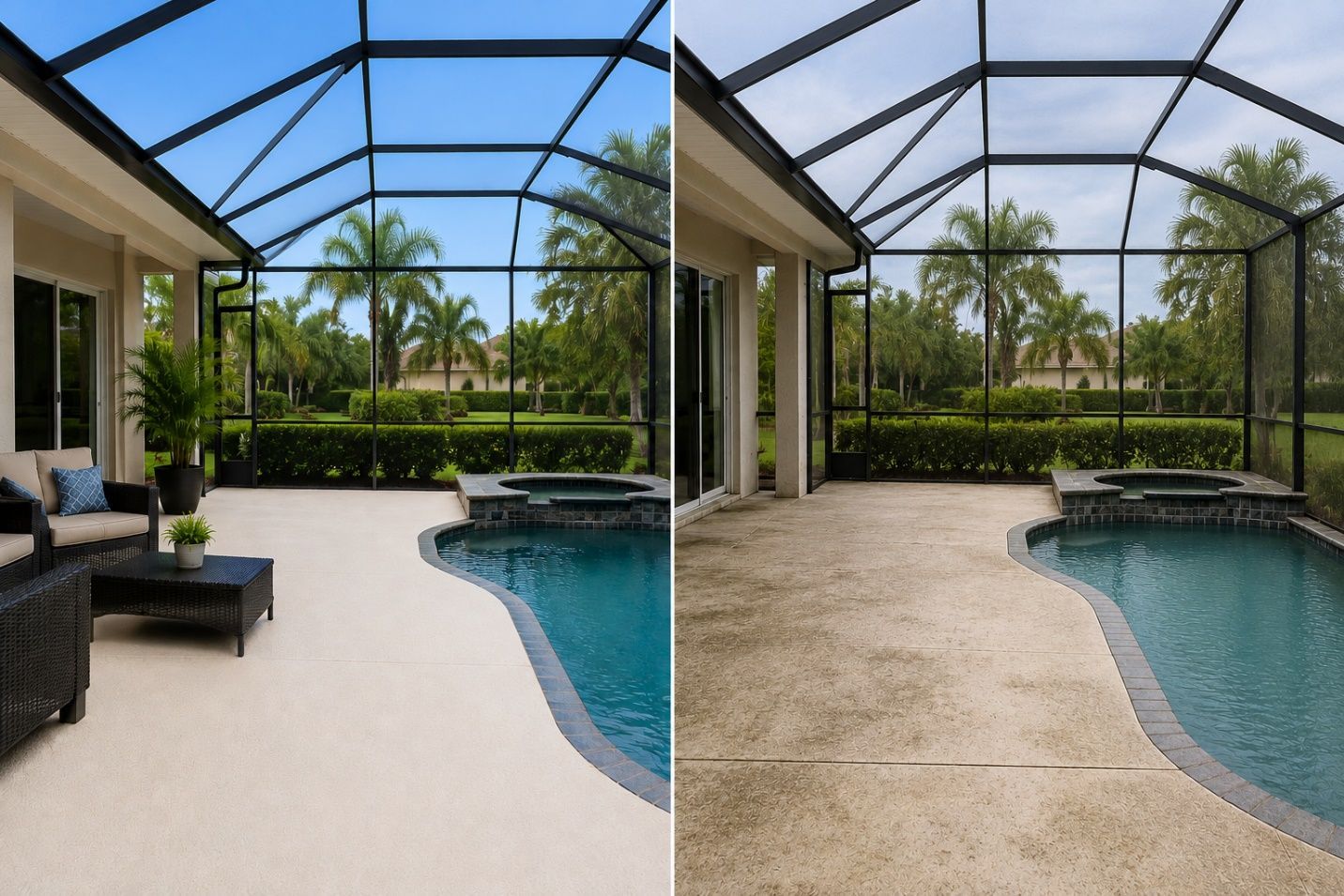
One of the most common things homeowners say after having their lanai cleaned is:
"I thought the screens were supposed to keep all this stuff out."
It's a fair assumption.
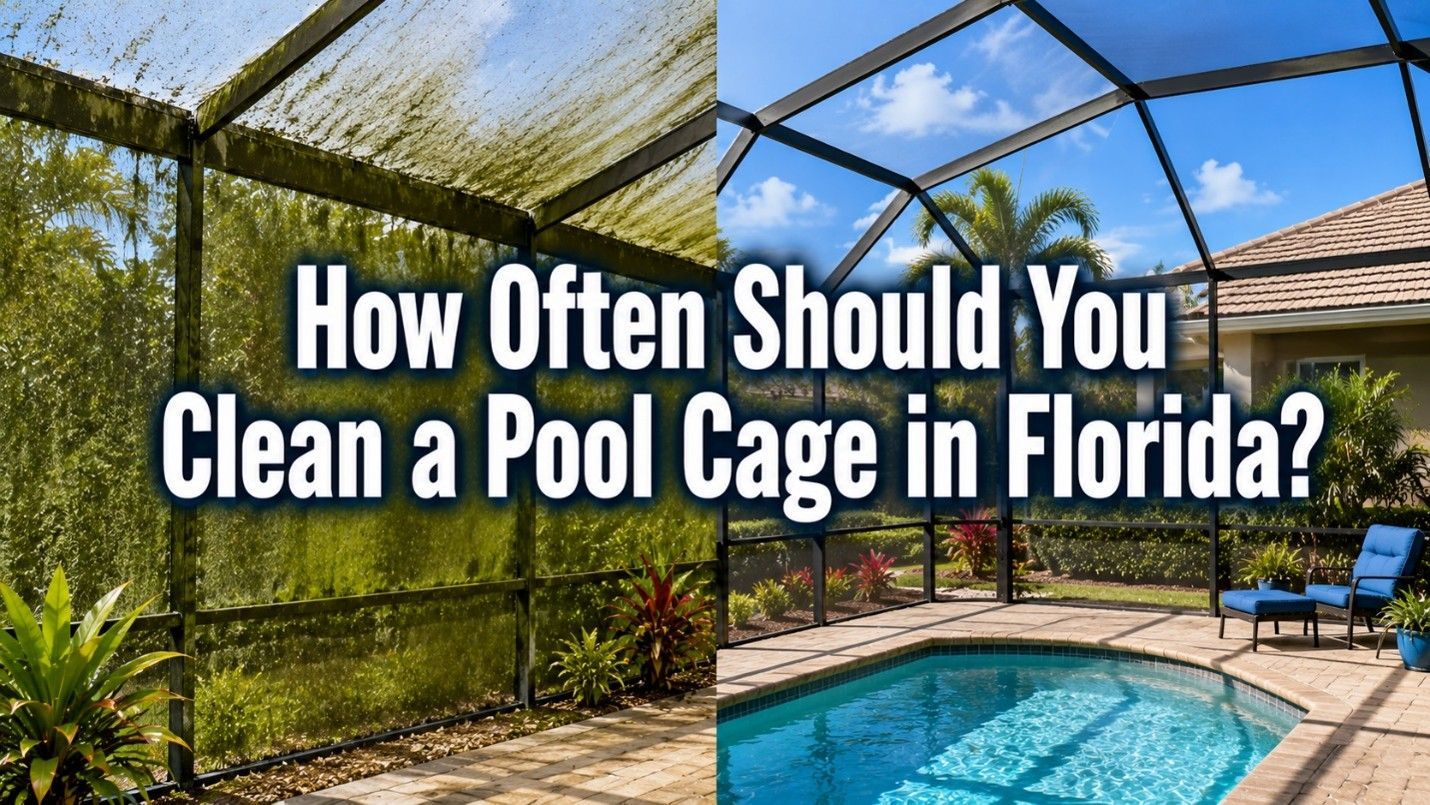
After all, screens do an excellent job of keeping insects, leaves, and larger debris away from your outdoor living space. But what many homeowners in Riverview, Sun City Center, and Wimauma discover is that screened enclosures are surprisingly good at trapping dirt too.
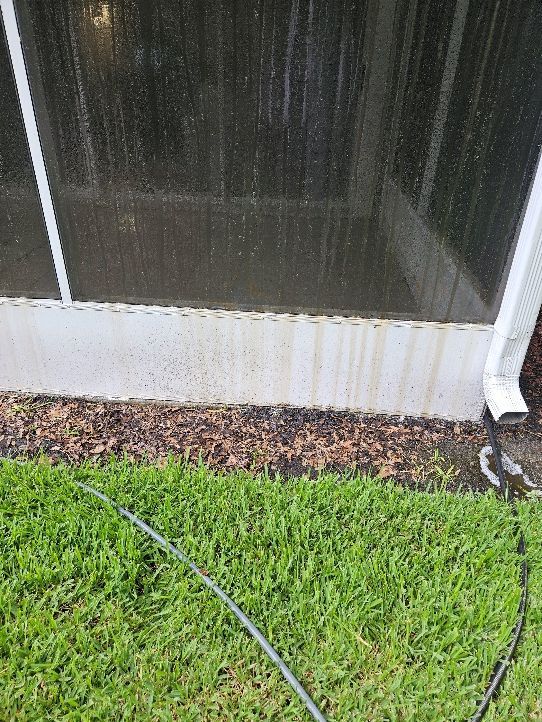
Over time, lanais can become one of the dirtiest areas around the home, even though they seem protected from the outdoors.
Screens Keep Bugs Out, Not Everything Else
While screens block larger debris, smaller particles still move freely through the enclosure.
Things like:
- pollen
- dust
- airborne dirt
- mold spores
- microscopic organic matter
all pass through the screen openings.
Florida's constant breeze helps carry these particles into pool enclosures and lanais throughout the year.
Many homeowners are surprised to learn that their lanai is essentially acting like a giant outdoor filter, collecting debris little by little every day.
Florida Humidity Makes the Problem Worse
Once pollen and dust settle on surfaces, Florida's humidity takes over.
The combination of moisture and organic material creates ideal conditions for:
- mildew growth
- algae buildup
- discoloration
- slippery surfaces
This is one reason many homeowners begin noticing green staining on pool decks, screen frames, and lanai floors.
We recently helped a homeowner in the Triple Creek area of Riverview who noticed their lanai furniture constantly seemed dirty despite regular sweeping. The issue was not a lack of cleaning. It was the steady accumulation of pollen and dust that was settling inside the enclosure each day.
Much of this process is driven by the same environmental conditions discussed in "Why Florida’s Humidity Makes Mold & Mildew a Bigger Problem."
Airflow Works Both Ways
Many homeowners think of a screen enclosure as a barrier, but it is really designed to allow airflow.
That airflow is important because it helps keep outdoor spaces comfortable.
However, it also means dirt, pollen, and airborne debris are continually entering the enclosure.
The result is a gradual buildup that often goes unnoticed until surfaces begin looking dull or stained.
Routine Maintenance Makes a Difference
One of the easiest ways to keep a screened lanai looking its best is to remove buildup before it becomes deeply embedded.
This is similar to the approach discussed in "Ways to Keep Your Lanai Clean in Between Pressure Washing."
Simple maintenance helps, but eventually Florida's climate wins.
When algae, mildew, and dirt begin accumulating on screens, frames, and surrounding surfaces, professional
Screen and Lanai Cleaning can restore the space and help protect the materials from premature wear.
Why Guests Often Notice It Before Homeowners Do
An interesting thing happens with lanais.
Because homeowners use them frequently, they often stop noticing the gradual buildup.
Then a guest visits, sunlight hits the screens just right, and suddenly the dirt becomes obvious.
The same psychological effect happens throughout the property and is one reason exterior cleaning can feel so dramatic once completed.
Final Thoughts
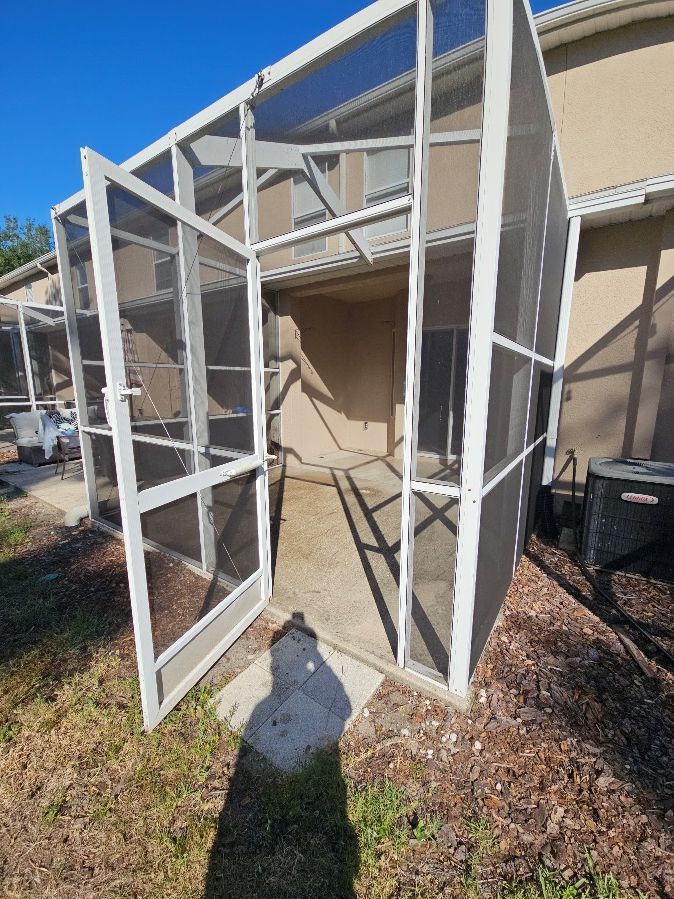
Screened lanais are one of the most enjoyable features of Florida homes, but they are also one of the easiest places for dirt and organic buildup to hide.
If you're in
Riverview,
Sun City Center, or
Wimauma and your lanai is starting to look dull or dirty, feel free to reach out anytime for a quick quote or honest recommendation. Happy to take a look and point you in the right direction.
Share: