Soft washing vs pressure washing: what’s best for your home?
Soft Washing vs. Pressure Washing: What's the Difference?
If you've been researching house washing, you've probably come across the terms soft washing and pressure washing. Many homeowners use the terms interchangeably, but they aren't exactly the same thing.
Understanding the difference isn't just about terminology. Choosing the right cleaning method helps protect your home while producing the best possible results.
After more than 13 years of cleaning homes throughout Riverview, Brandon, Lithia, Valrico, and the surrounding Tampa Bay area, I've learned that successful house washing isn't about using the most pressure possible. It's about using the right amount of pressure for each surface.
What Is Pressure Washing?
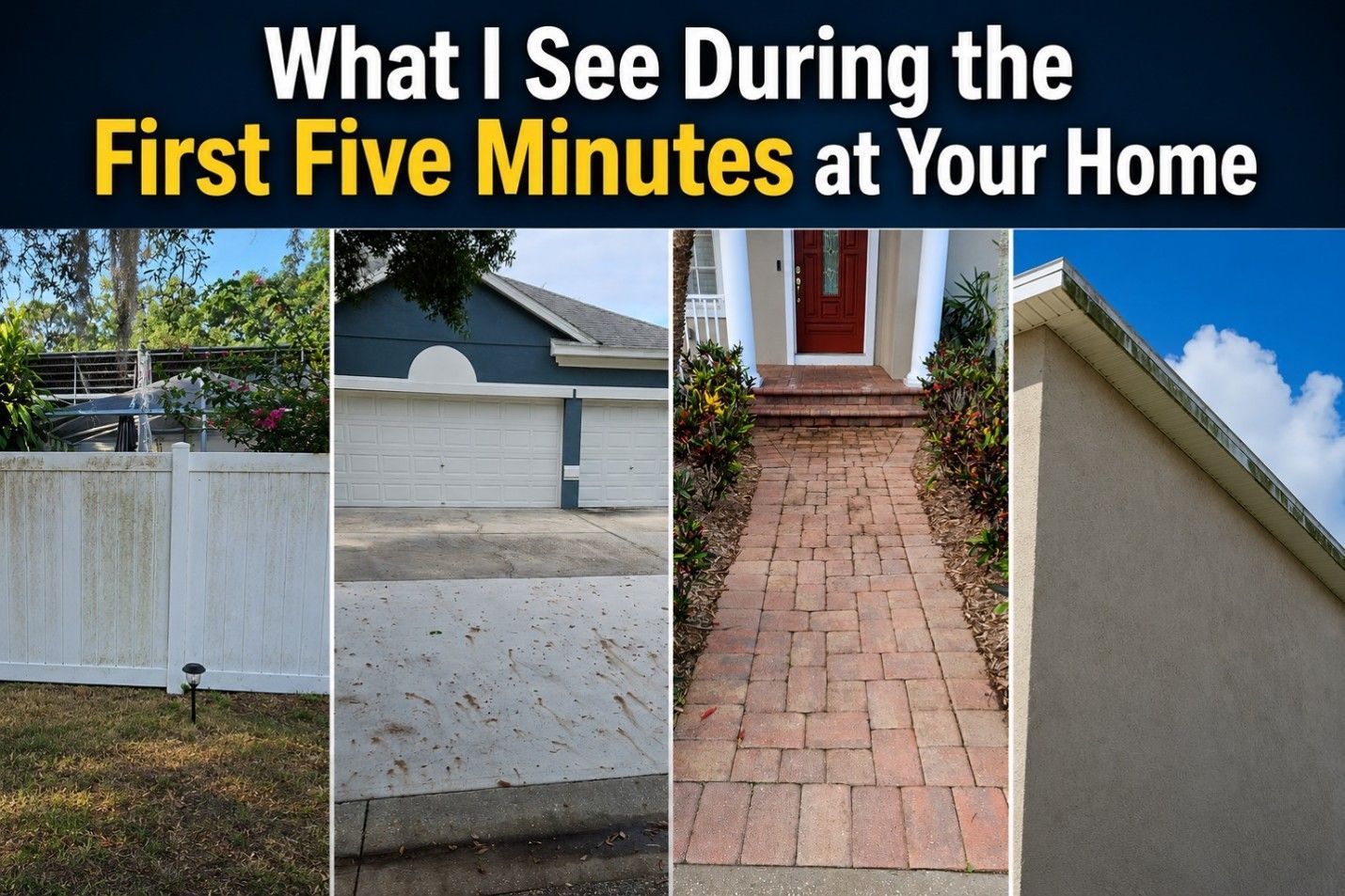
Pressure washing uses pressurized water to clean durable exterior surfaces. It's the best choice for materials that can safely handle higher pressure while removing years of dirt, algae, mildew, and surface buildup.
Pressure washing is commonly used on:
- Driveways
- Sidewalks
- Concrete patios
- Pavers
- Some brick surfaces
These surfaces can withstand significantly more pressure than painted or finished materials, making pressure washing the fastest and most effective cleaning method.
What Is Soft Washing?
Soft washing is designed for surfaces that require a gentler approach.
Instead of relying on high pressure, soft washing combines specialized cleaning solutions with a safe, low-pressure wash to clean delicate exterior surfaces like:
- Vinyl siding
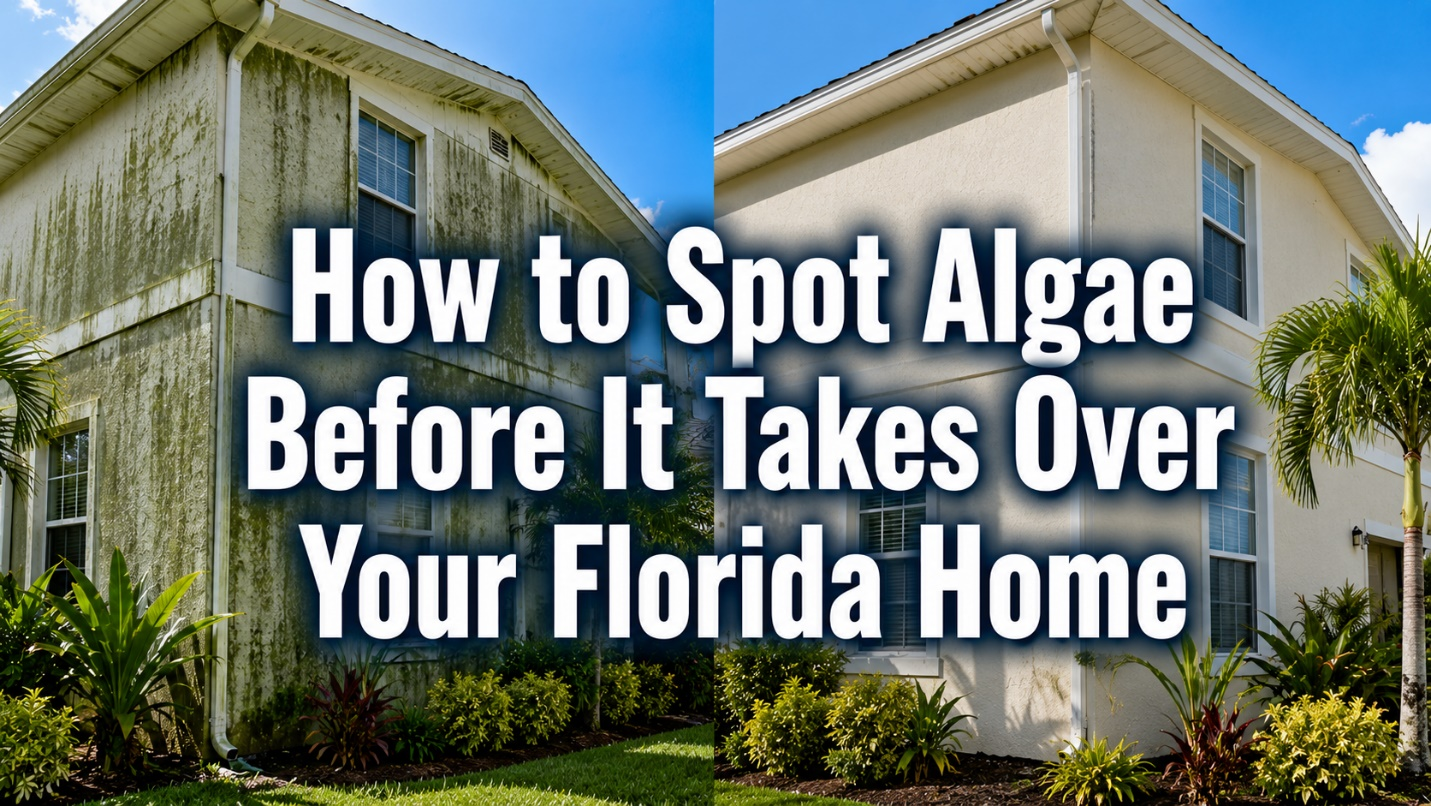
- Painted stucco
- Painted wood
- Soffits and fascia
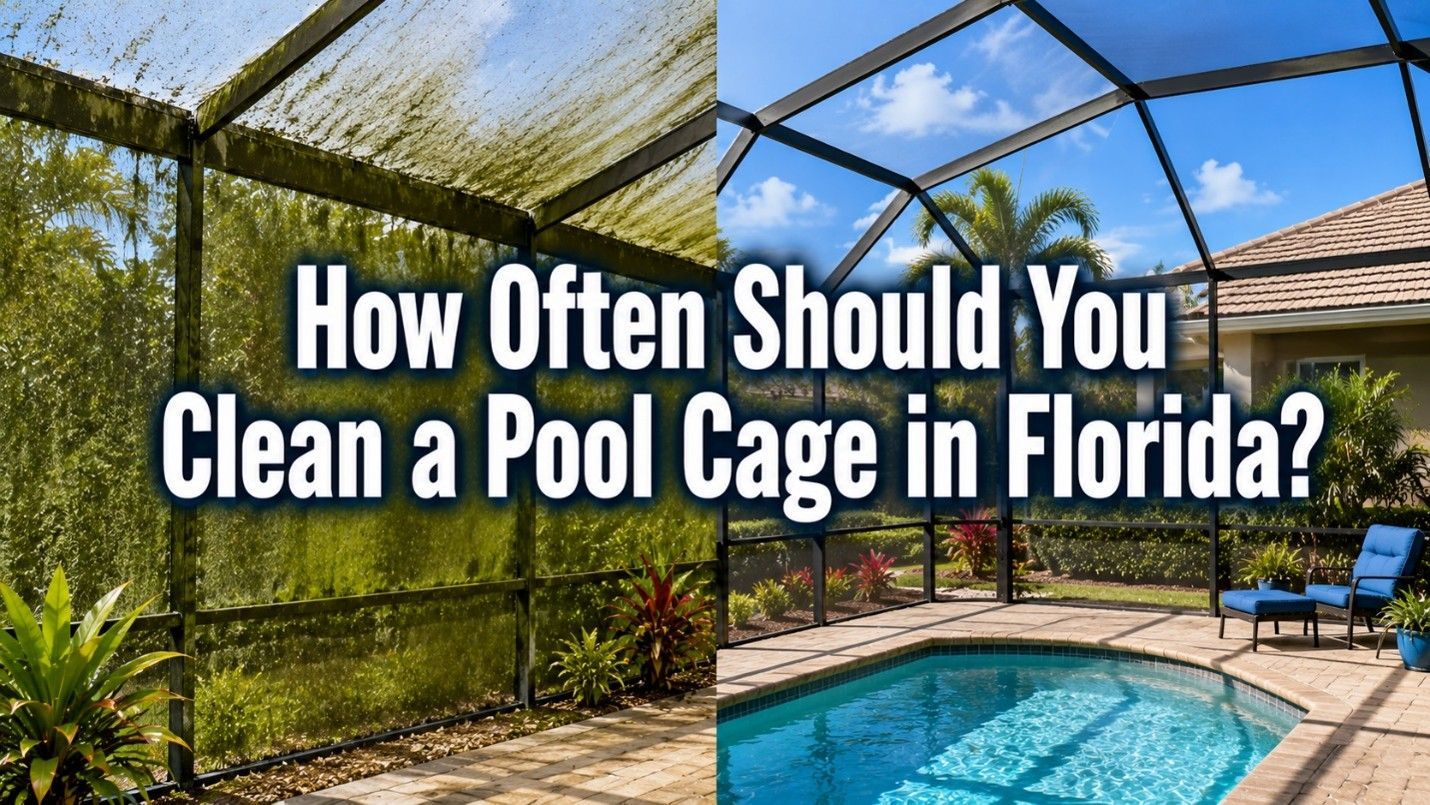
- Pool cages
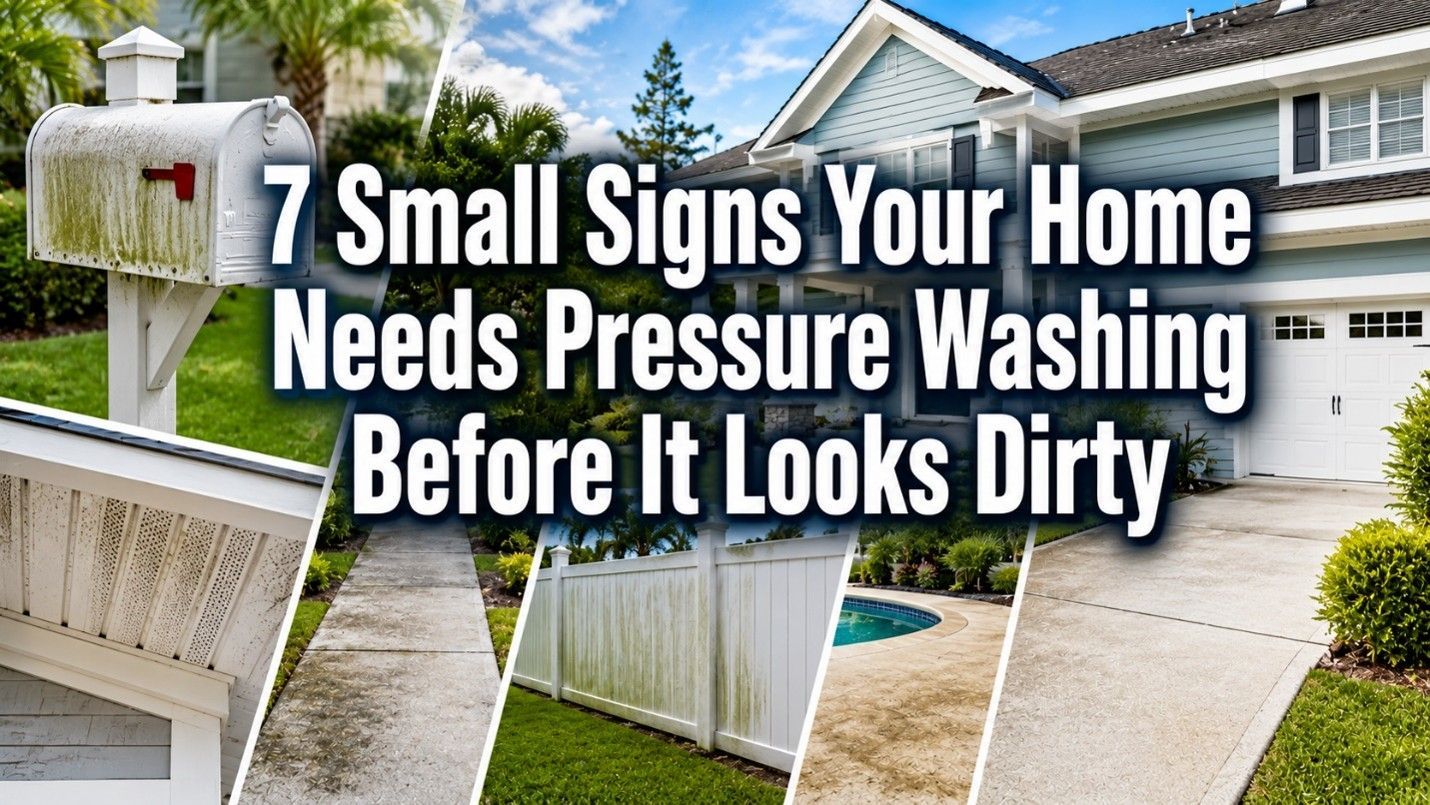
- Vinyl fences
Today, soft washing is most commonly associated with
roof cleaning because asphalt shingles should never be cleaned with high pressure. The same low-pressure approach is also used to safely clean many other exterior surfaces. (Internal link: Roof Cleaning page or blog.)
The term "soft washing" has actually changed over the years.
When soft washing was first introduced, the process focused primarily on applying cleaning solutions with little or no washing afterward. The idea was that the cleaning solution would kill algae, mold, and mildew without the need for traditional pressure washing.
Today, the term has evolved. Most homeowners use "soft washing" to describe a process that combines specialized cleaning solutions with a safe, low-pressure wash.
That's the approach I use because I don't just want to kill algae and mildew—I want to remove it from your home.
Why We Follow With a Low-Pressure Wash
Many homeowners assume that water pressure is what actually cleans the house.
In reality, the cleaning solution is doing most of the work.
It breaks down algae, mildew, mold, dirt, pollen, spider webs, bug residue, and other organic buildup that collects on your home's exterior.
Once the cleaning solution has had time to work, I follow it with a safe, low-pressure wash to physically remove the dead algae, dirt, pollen, bugs, and other debris from the surface.
In my experience, simply killing algae isn't enough. I want to remove the dead organic material instead of leaving it behind on your home's exterior.
If you'd like to learn more about why algae and mildew grow so quickly in Florida, read our article on
Why Florida's Humidity Makes Mold & Mildew a Bigger Problem.
Today, the term has evolved. Most homeowners use "soft washing" to describe a process that combines specialized cleaning solutions with a safe, low-pressure wash.
That's the approach I use because I don't just want to kill algae and mildew—I want to remove it from your home.
Why More Pressure Isn't Better
It's easy to assume that more pressure automatically means better cleaning.
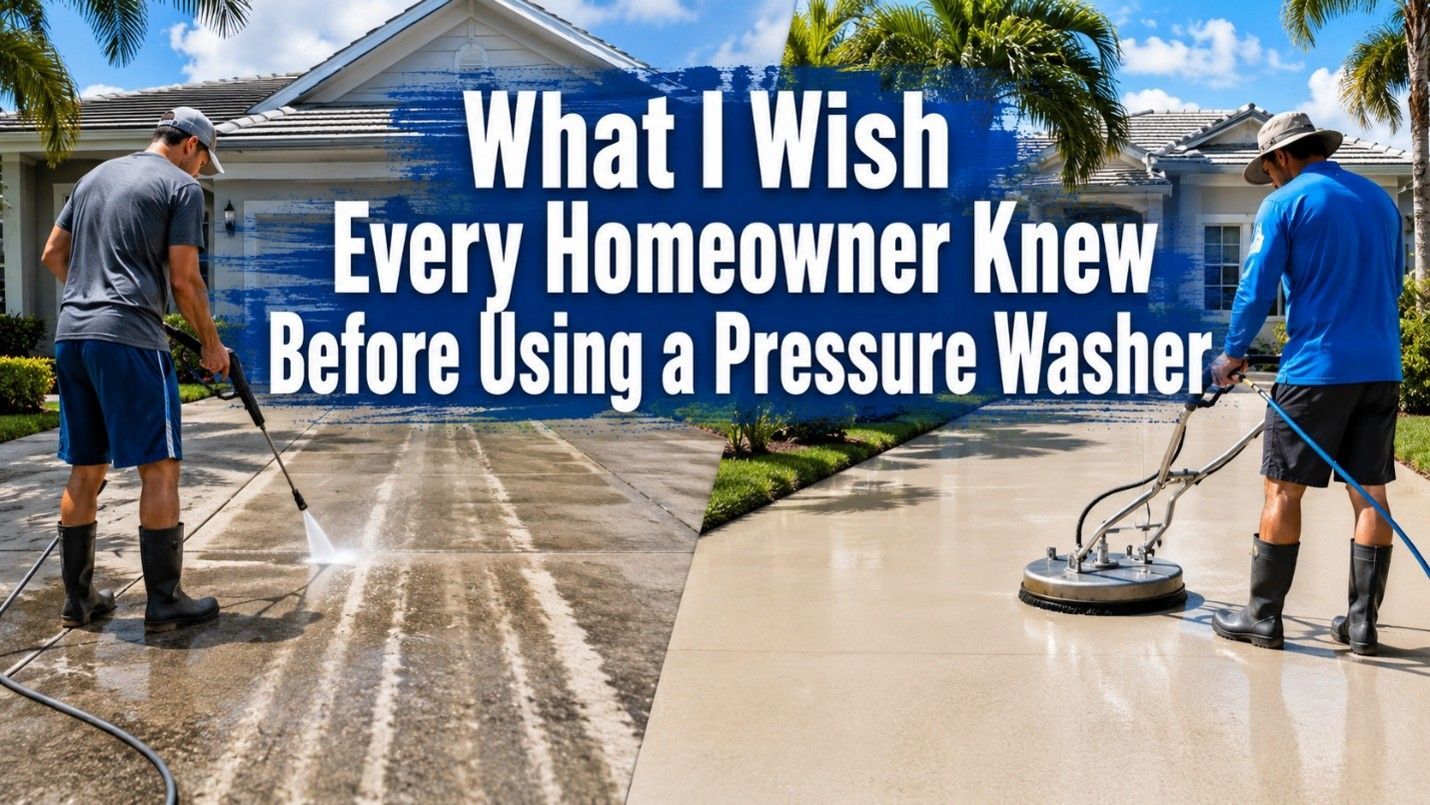
In reality, using more pressure than necessary can create problems long before it creates better results.
High pressure can damage paint, force water behind siding, damage window seals, or leave visible marks on delicate surfaces.
Whenever someone asks me for DIY advice, I always tell them the same thing:
Start with less pressure. You can always increase the pressure a little at a time if you're not getting the results you want. You can't undo damage once it's happened.
If you're thinking about cleaning your own home, you may also want to read
Why DIY Pressure Washing Often Damages Florida Homes, where I cover some of the most common mistakes homeowners make.
Every House Gets Evaluated Before We Start
Before I even connect the hose, I'm already evaluating the house.
The first thing I do is rub my hand across the stucco or siding.
If I see chalky paint on my hand, I immediately know I need to reduce my pressure or, in some cases, recommend repainting instead of washing. Chalky paint is already failing, and even low pressure can remove it.
I also pay close attention to the age and condition of the windows.
Because I've worked in many of the same neighborhoods for years, I already know which communities are more likely to have older builder-grade windows and where I'm more likely to run into worn caulking or failing window seals. If I suspect there's a higher risk of water intrusion, I adjust my cleaning method accordingly.
These are the kinds of decisions that happen before I ever pull the trigger on the pressure washer.
Experience Matters More Than PSI
When I first got into the pressure washing business, I had the opportunity to work alongside a good friend who taught me proper pressure washing techniques. More importantly, he taught me how to control pressure instead of simply relying on it.
Over the years, I've continued refining those techniques and developing my own process for cleaning different types of homes and exterior surfaces.
People occasionally ask how I know what pressure to use.
The honest answer is experience.
When I pull the trigger, I know immediately if the pressure is too high or too low. If it needs adjusting, I make the change before continuing.
Even when I rent a smaller consumer-grade pressure washer while mine is in the shop, I don't assume it's set correctly. I install the proper nozzle, test the pressure, make my adjustments, and then clean the home using the same process I use every day.
The equipment may change.
The process doesn't.
Knowing When to Stop
Experience also means knowing when
not to keep pushing.
Occasionally I'll run into chalky paint that's already failing, oxidation that won't wash away, or older windows where algae has bonded to the glass over many years.
If I've already increased the pressure to a level I'm comfortable using and something still isn't coming clean, I stop.
I'd rather leave one difficult area than risk causing permanent damage or creating an expensive repair for the homeowner.
Protecting your home will always be more important than removing one stubborn stain.
Which Cleaning Method Is Best?
| Surface | Recommended Cleaning Method |
|---|---|
| House siding | Soft washing |
| Stucco | Soft washing |
| Painted wood | Soft washing |
| Soffits and fascia | Soft washing |
| Vinyl fence | Soft washing |
| Pool cage | Soft washing |
| Driveway | Pressure washing |
| Sidewalk | Pressure washing |
| Concrete patio | Pressure washing |
| Pavers | Pressure washing |
| Brick (depending on condition) | Pressure washing |
Every home is different, which is why the pressure is adjusted to match the surface being cleaned. A house with vinyl siding, brick accents, older windows, and painted trim may require several pressure adjustments during the same job.
Wondering how often your home should be cleaned? Read our guide on
How Often Should I Pressure Wash My Florida Home?
Choosing the Right Method Protects Your Home
Soft washing and pressure washing aren't competing services—they're simply two different cleaning methods designed for different surfaces.
The goal isn't to use the most pressure possible. It's to use the
least amount of pressure necessary to safely achieve the best possible results.
That's the approach I've followed for more than 13 years. Every home is evaluated individually, every surface is cleaned using the appropriate pressure, and every decision is made with one goal in mind: cleaning your home quickly, thoroughly, and without causing damage.
Share: