Why Does My White Vinyl Fence Turn Green in Florida?
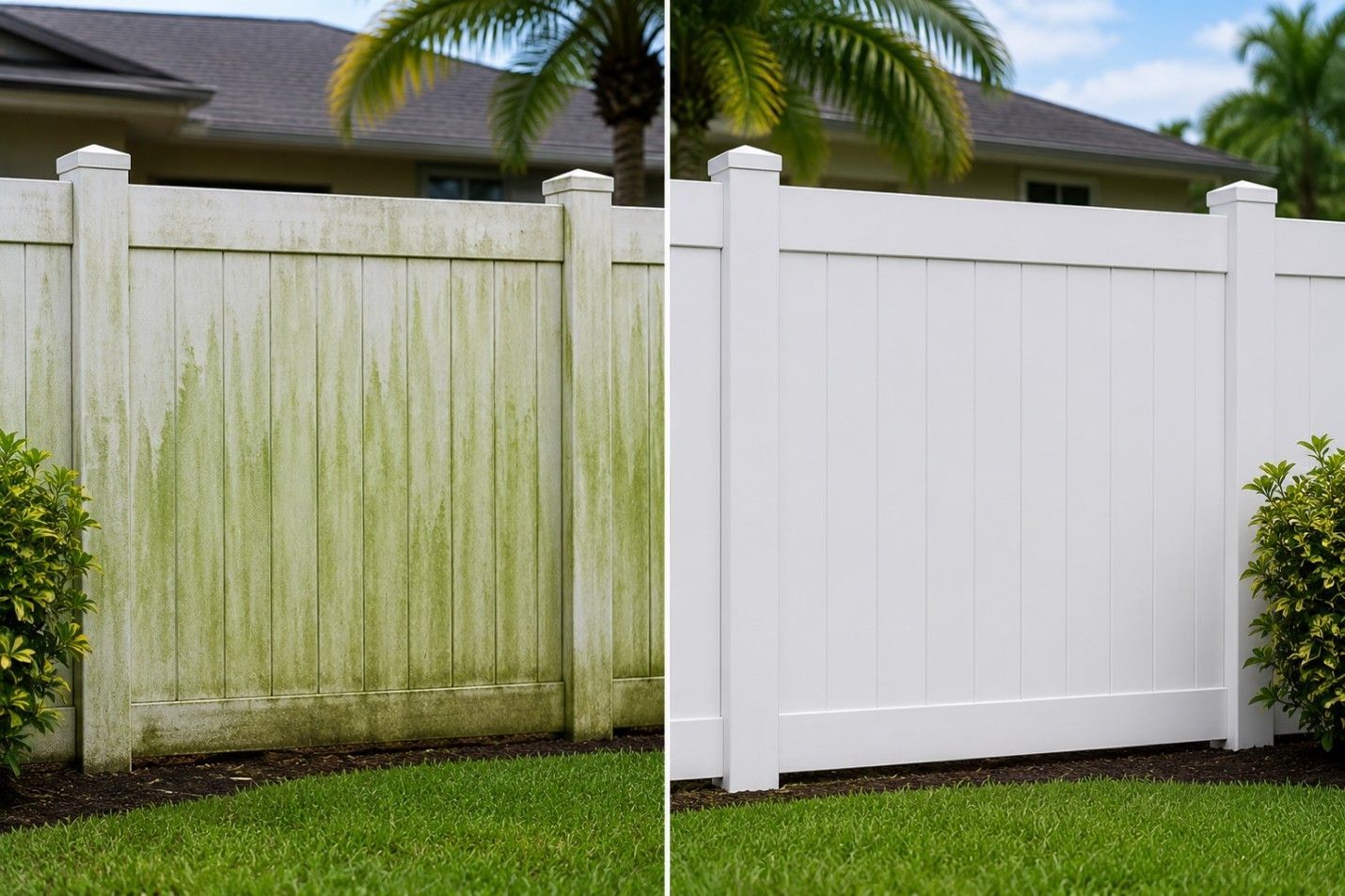
Why Does My White Vinyl Fence Turn Green in Florida?
If you have a white vinyl fence, chances are you've looked out into the backyard at some point and wondered:
"Why is my fence turning green?"
You're definitely not alone.
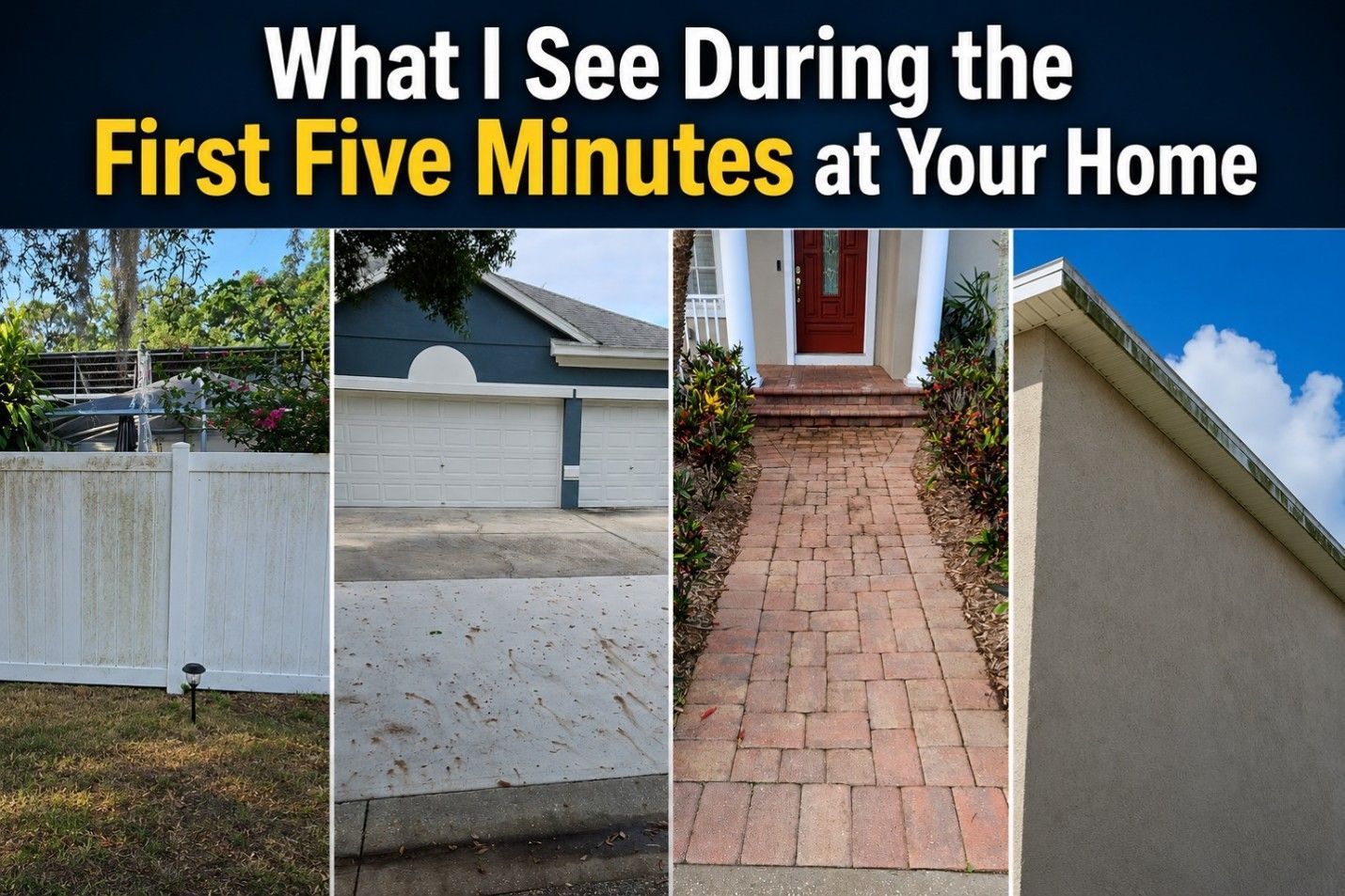
Homeowners throughout Riverview, Valrico, and Apollo Beach deal with this issue every year. In fact, green algae is by far the most common reason homeowners contact us about fence cleaning.
The good news is that the fence usually isn't damaged.
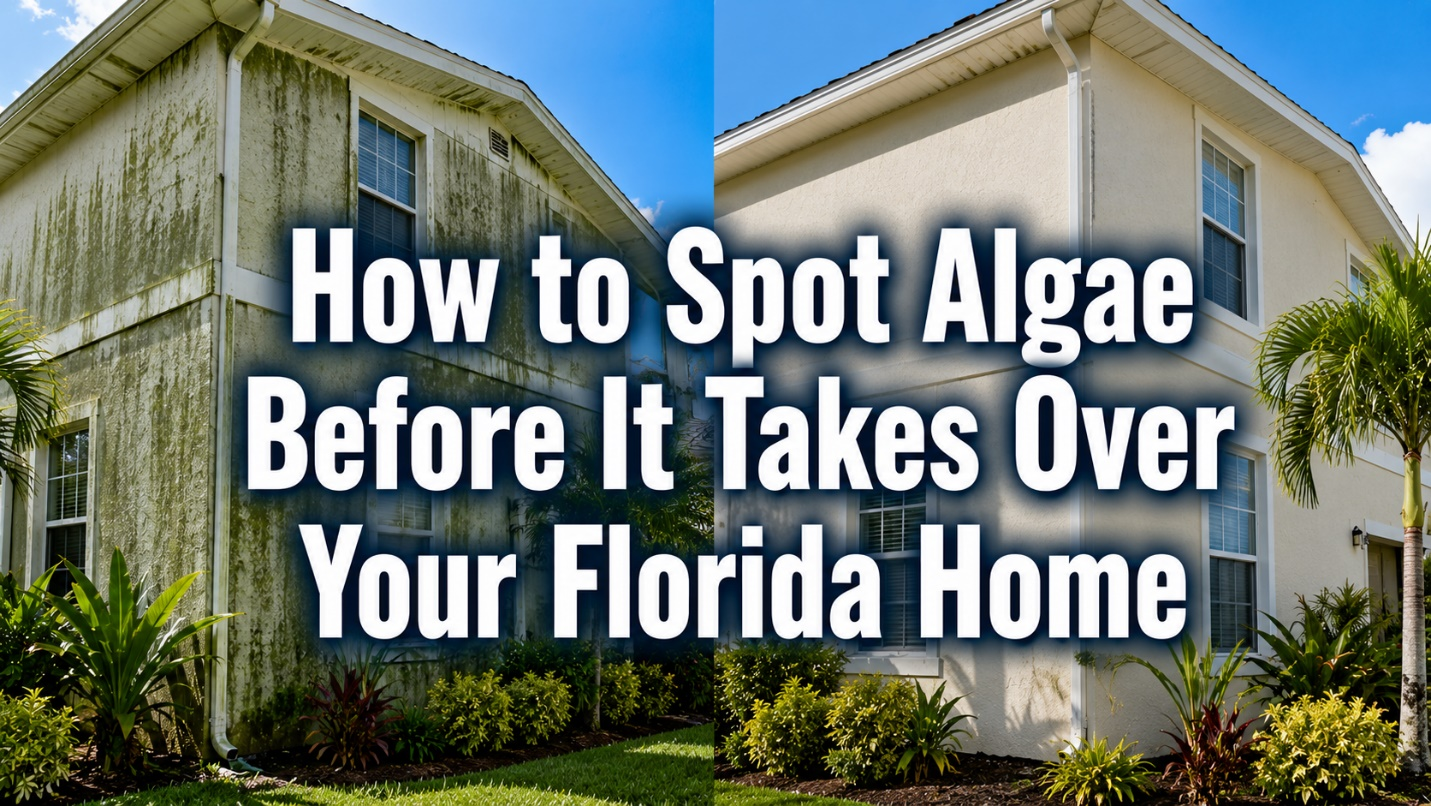
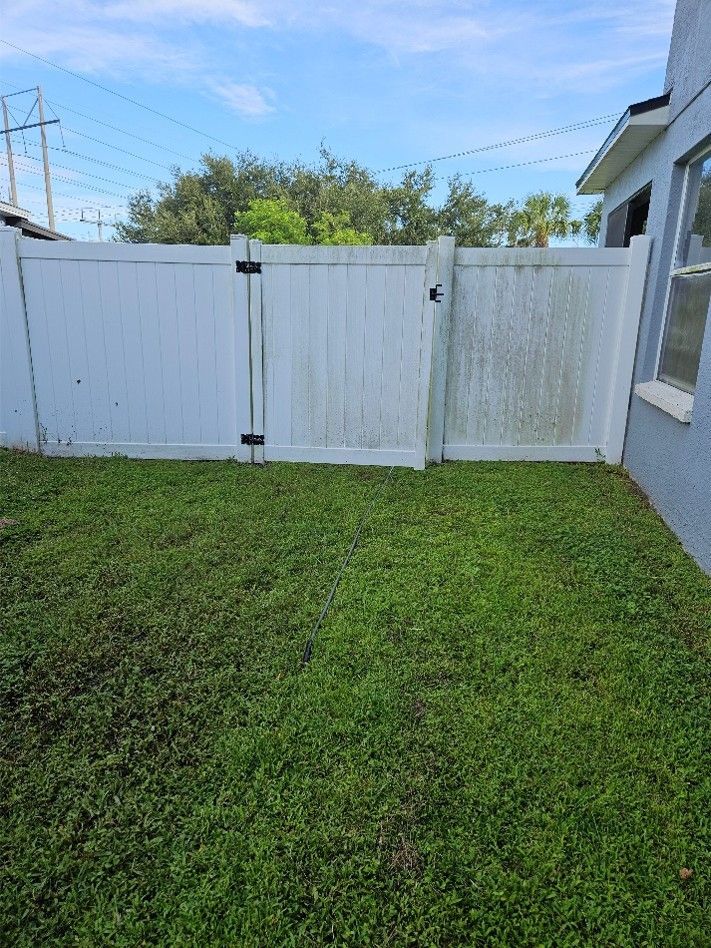
The green staining you're seeing is almost always algae growing on the surface.
Florida Creates Perfect Conditions for Algae Growth
White vinyl fencing is extremely popular throughout Florida because it looks clean, bright, and requires very little maintenance.
Unfortunately, Florida's climate also creates ideal conditions for algae.
Our area experiences:
- high humidity
- frequent rain
- morning dew
- irrigation overspray
- warm temperatures year round
When moisture remains on the fence for extended periods, algae begins to grow.
At first, it may appear as a faint green tint. Over time, the staining becomes more noticeable and can spread across multiple panels.
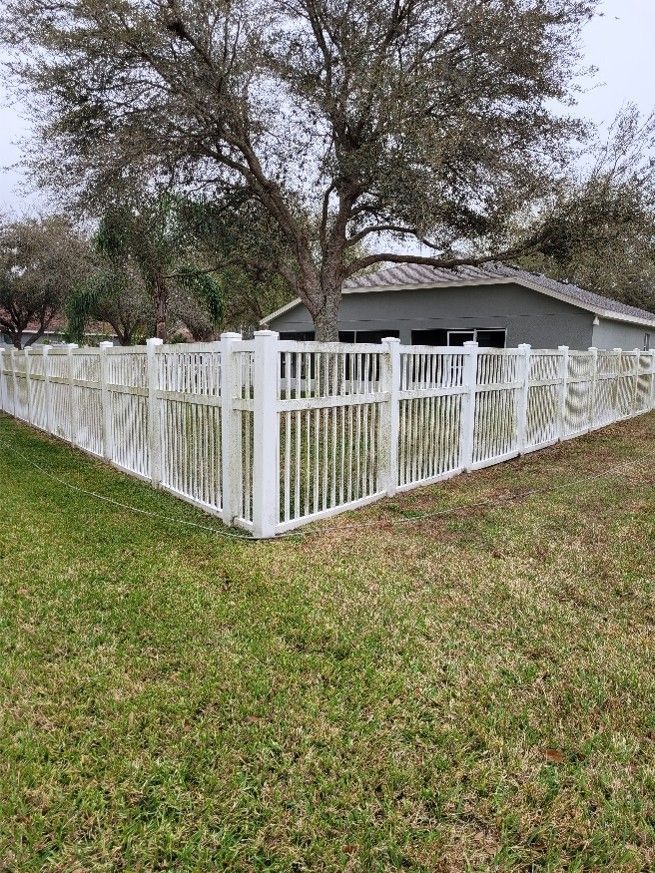
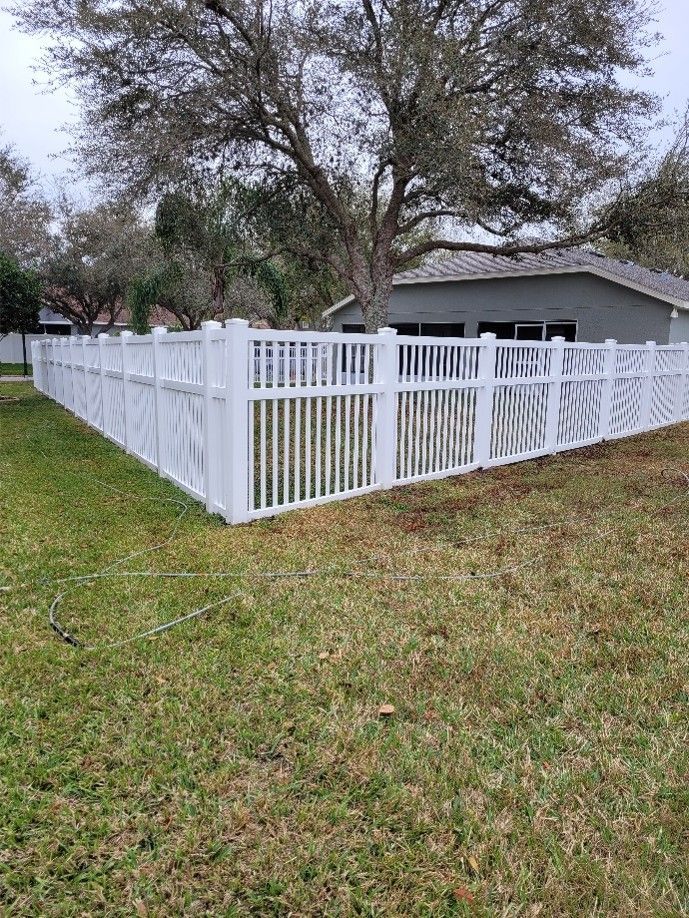
North Facing Fence Panels Usually Turn Green First
One thing we consistently notice is that certain sections of a fence become dirty much faster than others.
In many cases, the worst areas are the north facing panels.
Because they receive less direct sunlight throughout the day, these sections stay damp longer after rain, irrigation, and morning dew.
This is similar to what we discussed in "Why north facing driveways stay darker longer in Florida." Less sunlight means longer drying times, which creates ideal conditions for organic growth.
Many homeowners are surprised to discover that only a few fence panels actually need cleaning while the rest of the fence still looks great.
Landscaping and Sprinklers Often Make the Problem Worse
Another common pattern involves areas around:
- irrigation heads
- flower beds
- shrubs
- landscaping
Water from sprinklers often hits the same panels day after day.
Combined with shade from nearby plants, this creates perfect growing conditions for algae and mildew.
We also frequently see bugs, grass clippings, and organic debris collecting around fence posts where moisture tends to linger.
This is one reason homeowners often relate to "Why Some Areas of Your Property Get Dirty Faster Than Others." Small environmental differences can have a surprisingly large impact on how quickly surfaces become stained.
What About Black Stains?
While green algae is the most common issue, black mildew is another frequent culprit.
Black staining usually develops in the same moisture-prone areas and can be more noticeable on white vinyl.
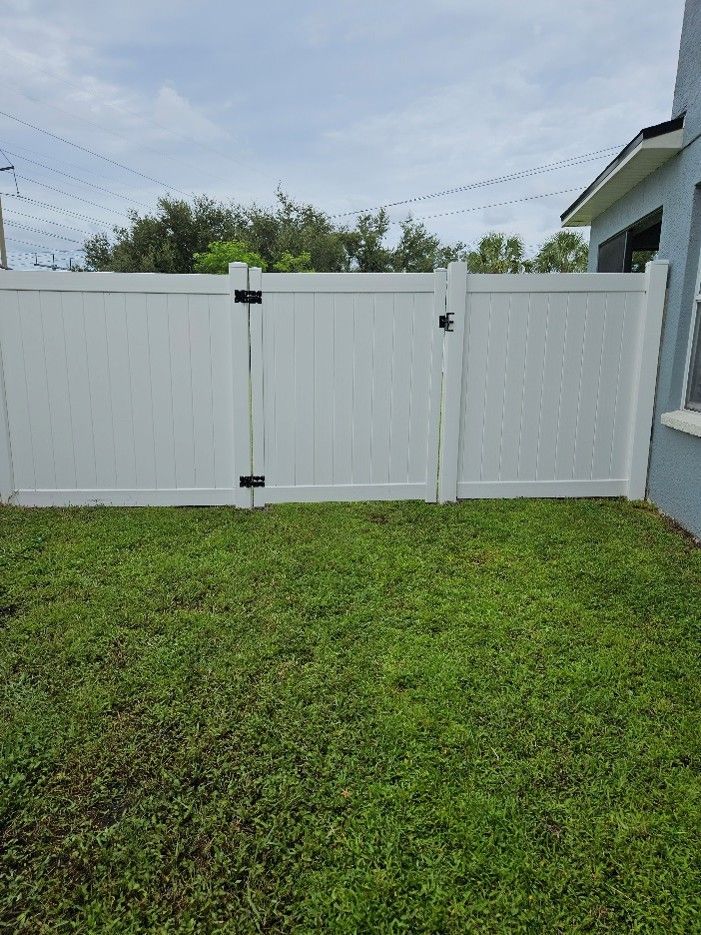
Fortunately, both algae and mildew can usually be removed safely with the proper cleaning process.
Why High Pressure Is Not the Answer
One of the biggest misconceptions about vinyl fence cleaning is that more pressure equals better results.
In reality, the protective finish on vinyl fencing takes a beating from years of Florida sun exposure.
Excessive pressure can damage the surface and leave the fence looking worse over time.
That's why we use a low concentration cleaning solution to loosen algae, mildew, dirt, and organic buildup before gently washing the fence clean.
The goal is not to blast the contamination off.
The goal is to safely remove it while protecting the fence.
Can Fertilizer Stains Be Removed?
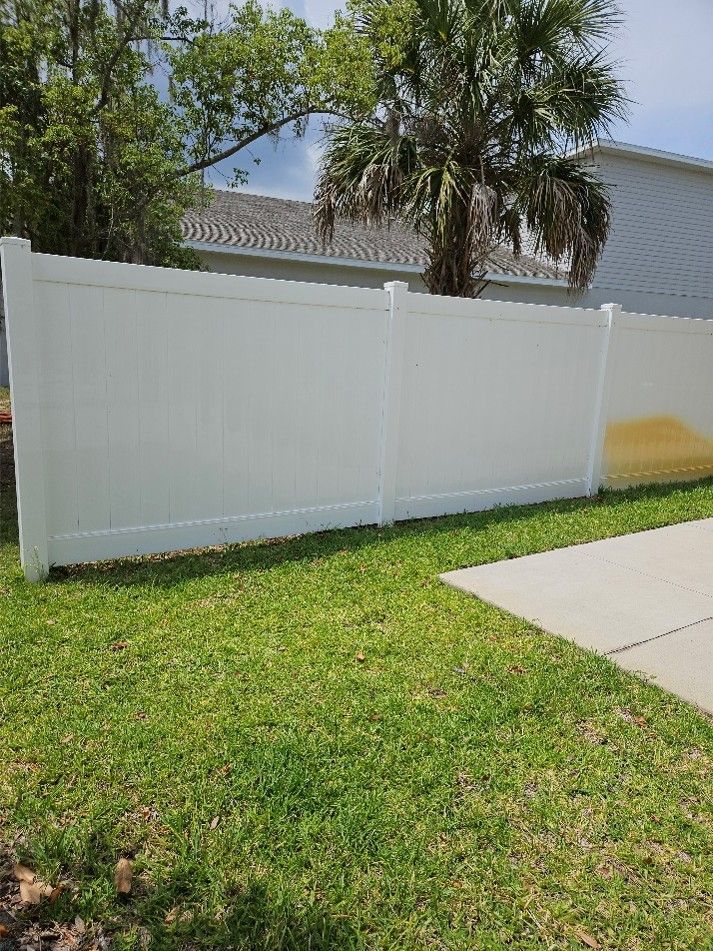
Occasionally, homeowners notice orange or yellow stains along the bottom portion of the fence near landscaping beds.
These stains are often caused by fertilizer or irrigation systems containing iron.
While less common than algae or mildew, they can usually be improved using specialized iron-removal products when requested.
Does the Entire Fence Need Cleaning?
Not always.
Many homeowners only have a few problem areas.
Because algae often develops on specific panels first, partial cleanings can be a practical option.
This is especially common when:
- north facing panels are affected
- one side receives more irrigation
- street-facing sections need attention for HOA compliance
For some properties, a partial cleaning makes perfect sense.
For others, a full fence cleaning provides the most uniform appearance.
How Often Should a Vinyl Fence Be Cleaned?
Based on our experience throughout Riverview and surrounding communities, most white vinyl fences benefit from cleaning about once per year.
However, every property is different.
Fences in full sun may stay clean much longer.
Fences near landscaping, irrigation, or heavy shade may need more frequent attention.
Corner lots are another factor because they often have significantly more street-facing fence sections that require maintenance to keep the property looking its best.
Final Thoughts
If your white vinyl fence is turning green, it doesn't mean there's anything wrong with the fence itself.
In most cases, it's simply Florida doing what Florida does.
Humidity, moisture, shade, and algae are part of life here, but with proper cleaning, your fence can look bright and clean again.
If you're in Riverview, Valrico, or Apollo Beach and starting to notice green or black staining on your fence, feel free to reach out anytime for a quick quote or honest recommendation. Happy to take a look and point you in the right direction.
Share: