Pressure Washing Wood Decks: Tips to Protect and Restore Your Outdoor Space
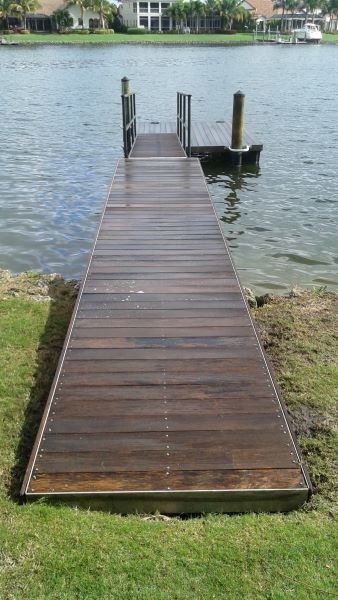
Wood decks are one of those classic features that can make any Florida backyard an inviting oasis—until sun, algae, or Florida’s relentless humidity turn that deck into an eyesore. We know firsthand how quickly wooden surfaces can collect grime and lose their natural beauty. At Riverview Pressure Cleaning, our deep experience working throughout South Hillsborough County—Riverview, Valrico, Brandon, Fishhawk and beyond—has taught us what it really takes to pressure wash a wood deck without causing damage, and how critical it is to use the right approach to keep your investment protected for years to come.
Why Pressure Wash Your Wood Deck?
- Remove algae, mold, and mildew: Our humid climate is a perfect environment for these deck-destroying growths.
- Prevent wood deterioration: Built-up grime holds moisture, which invites rot, splinters, and warping.
- Bring back curb appeal: Nothing transforms the look of your backyard faster than a freshly cleaned deck.
- Prep for staining or sealing: A truly clean surface ensures stains and sealers can properly penetrate and protect your boards.
Why Florida Decks Require Special Care
Unlike regions with milder climates, Florida wood decks see extra wear from UV exposure, rain, and our famous summer storms. Algae and mildew are relentless here—so the key is a cleaning approach that’s tough enough to remove buildup, but gentle enough not to gouge your deck’s surface. Here’s how we get it right for our community:
Essential Tips to Pressure Wash Your Wood Deck Safely
- Never use high pressure on wood! Even pressure-treated lumber is vulnerable. Too much force can leave permanent lines, shredded fibers, or broken boards. At Riverview Pressure Cleaning, we always start low and adjust as needed.
- Select the right tip: Use a wide fan tip (25 to 40 degrees). This spreads the pressure and minimizes risk of damage.
- Keep a consistent distance: 12 to 16 inches from the surface is typical, but we calibrate by eye based on the grain and condition of your wood.
- Sweep smoothly, with the grain: This prevents streaks and creates a uniform clean.
- Test first: When we approach a job, we always test an inconspicuous area first. Every deck is unique—older wood can be softer or more delicate, and past sealants might react differently.
- Pre-treat with the appropriate cleaner: We use an environmentally friendly, non-bleach solution specifically designed for wood—never harsh chemicals that can damage plants, pets, or your landscaping.
How Our Florida Approach Protects and Restores
When we handle a wood deck, every step is intentional. Here’s a step-by-step of our typical process:
- Inspection: We look for structural concerns, loose nails, rot, and problematic boards. This dictates cleaning pressure and chemical selection.
- Gentle clearing: We sweep, remove debris, and carefully move furniture and planters.
- Pre-wetting: We dampen surrounding beds and lawn to protect landscaping from any runoff (our cleanser is safe, but we take no risks).
- Apply eco-friendly deck cleaner: Our non-bleach solution penetrates buildup, loosening stains for safer, more effective washing.
- Soft Pressure Rinse: Methodically pressure wash, board by board if needed, keeping the nozzle at a safe distance.
- Spot check and final rinse: We revisit stubborn spots by hand.
- Let dry and recommend next steps: If you're planning to stain or seal, we advise on drying time and proper product selection for the Florida climate.
Common Mistakes Homeowners Make (And How We Avoid Them)
- Setting pressure too high: This causes splintering and surface damage. We always use the least pressure necessary.
- Using the wrong chemicals: Bleach and harsh detergents strip wood or harm your surrounding landscaping. Our solutions are eco-friendly and safe for plants, pets, and your yard.
- Not rinsing thoroughly: Leftover chemicals can dry out and cause discoloration or sticky residue.
- Rushing the process: High-speed passes miss buildup and leave streaks. We take time, focusing on details for an even, restored finish.
Wood Types: Why Every Deck is Unique
We’ve worked on everything from classic pressure-treated pine to exotic hardwoods and composite blends. Here’s how we adjust:
- Pine and cedar decks: Softer, easily gouged. Require gentle touch and extra caution.
- Hardwoods (Ipe, Cumaru): Can handle a bit more, but cleaning solution is key to avoid surface dulling.
- Treated lumber: Typically more resilient, but age and prior treatments affect cleaning strategies.
- Decks with prior stain/sealant: We assess the condition—older coatings may need a refresh after cleaning.
After Pressure Washing: Sealing, Staining, and Long-Term Care
Cleaning is only the first step. For long-term protection:
- Let your deck dry fully before sealing or staining.
- Choose stain/sealer built for the Florida sun. We’re happy to offer guidance on what holds up best in our local conditions.
- Inspect annually for signs of algae or mildew. Pressure washing once a year keeps growth at bay and your deck inviting year-round.
Pressure Washing Wood Decks in Riverview: Our Local Insights
In our twelve years serving South Hillsborough County, we can say with confidence: every deck needs a different touch. Some families use their decks daily, while others are prepping for holidays or special occasions. If you’re getting ready for festive hosting, check out our guide on why exterior cleaning makes your home shine for the holidays.
For anyone planning to put their home on the market, a freshly washed deck can give you a surprising boost in curb appeal. Discover more on maximizing your home’s value before listing in our post on the impact of pressure washing before selling.
Frequently Asked Questions
- How often should I have my deck pressure washed? In Florida, once or twice per year is ideal—especially after rainy seasons or before family gatherings.
- Can pressure washing strip my deck’s stain? If done incorrectly, yes. That’s why our approach emphasizes gentle solutions and controlled rinsing.
- Will cleaning harm my flowerbeds or grass? Not with our environmentally friendly methods and by taking the right precautions.
Special for November: 20% Off Pressure Washing Services
For a limited time this November, mention this blog and enjoy 20% off any pressure washing service with Riverview Pressure Cleaning! Whether it’s your deck, driveway, or full home exterior, we’d love to help prepare your outdoor space for the cooler months and the fall entertaining season.
Ready to Restore Your Deck?
Don’t let buildup and algae take away from your backyard retreat. With the right approach, your deck can truly come back to life! Connect with a local expert who cares about your home, your family, and your Florida landscape. Discover more about our story, process, or schedule your cleaning today at Riverview Pressure Cleaning.
Share: